


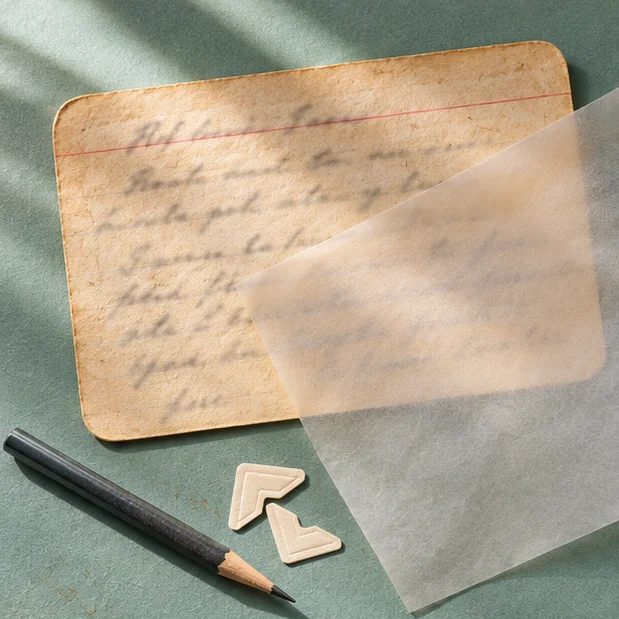
DIYAI-generated illustration
Give a favourite recipe in its original handwriting
A copy keeps the handwriting, crossed-out words and flour marks.
Adapted for the United States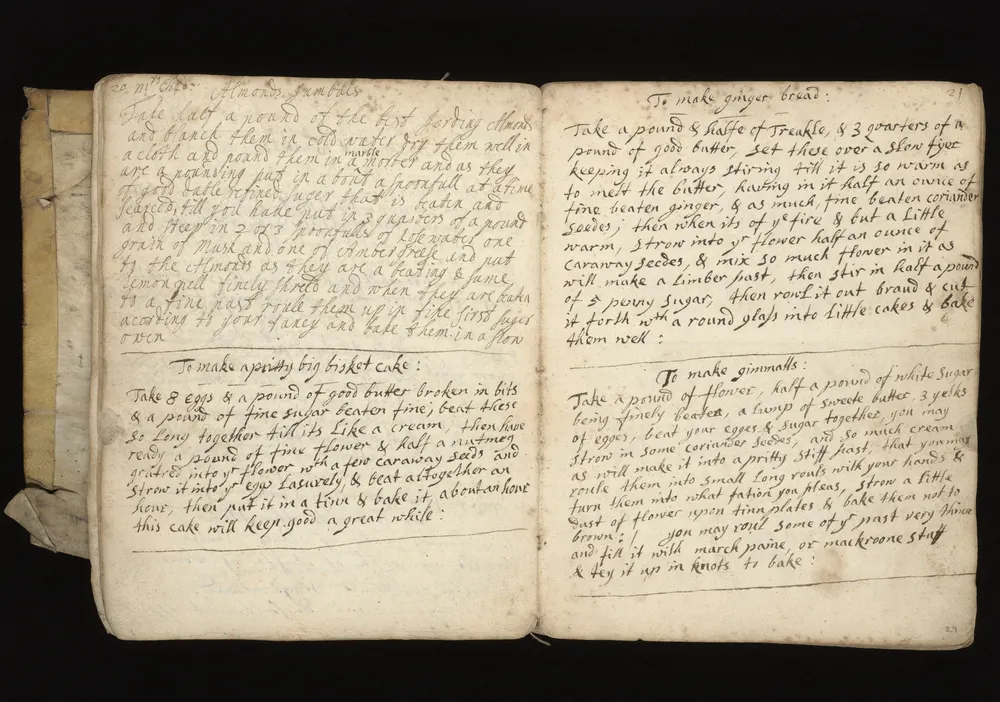
Collection · Gifts
A handwritten card remembers the cook. A legible photograph and a second page about the pan, quantities and serving dish help the next person make the meal.
Explore 17 finds
A copy keeps the handwriting, crossed-out words and flour marks.
Adapted for the United States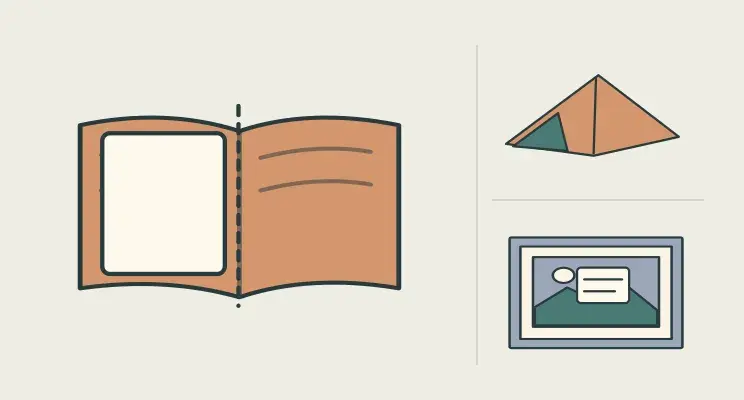
Set the page and camera parallel, then choose whether the fold needs a second picture.
4 ways to try it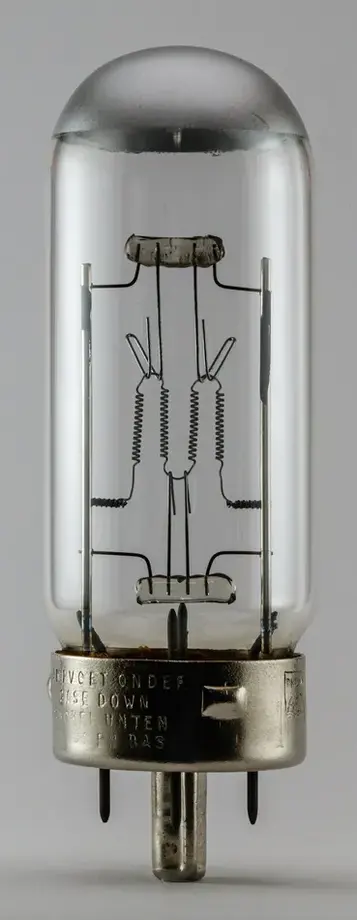
Curve one large sheet from wall to table so the horizon disappears.
4 ways to try it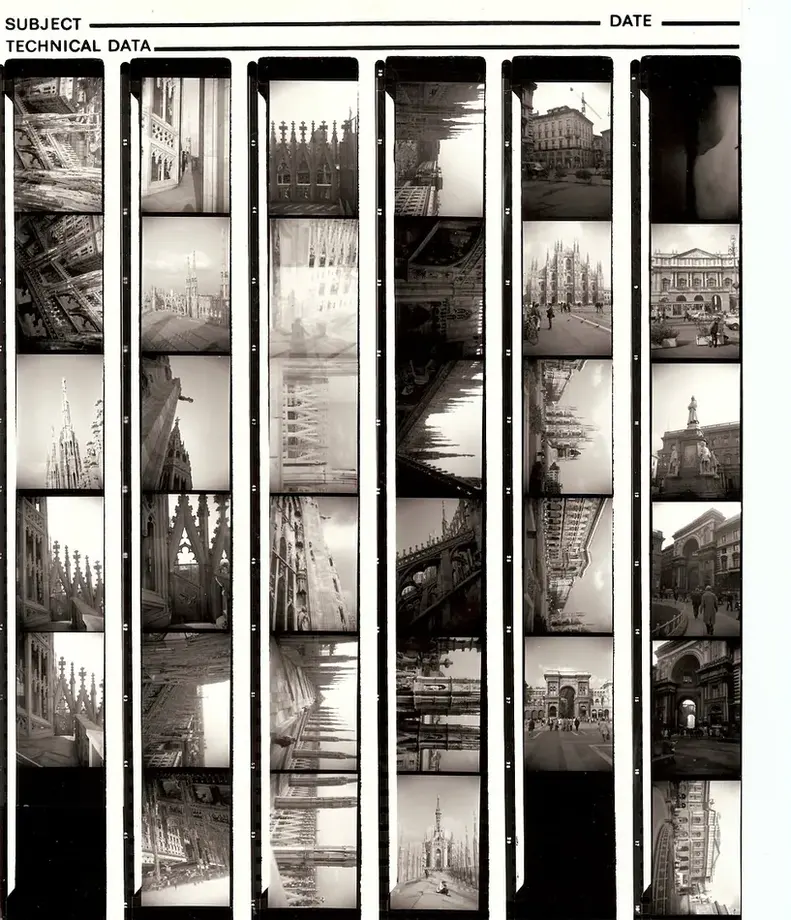
Use a contact sheet to separate scene, action and detail.
3 ways to try it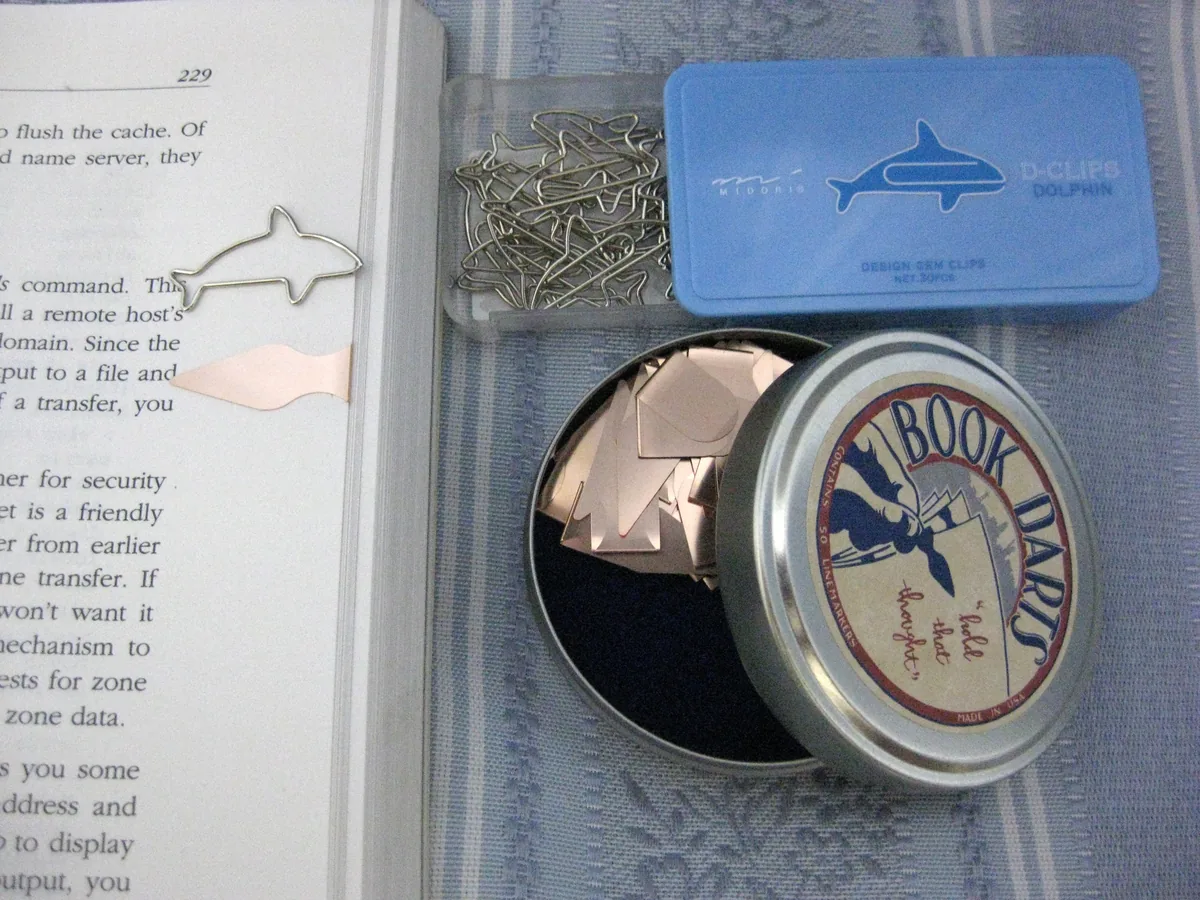
Mark the sentence you mean, or the line where you stopped in a recipe.
Check the listing in the United States Listed in the United States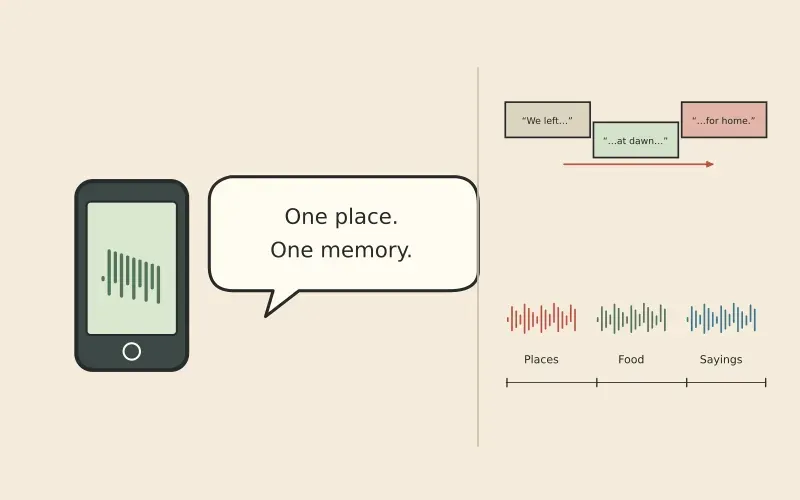
Five short, specific memories are easier to listen to than a chain of identical birthday wishes.
3 ways to try it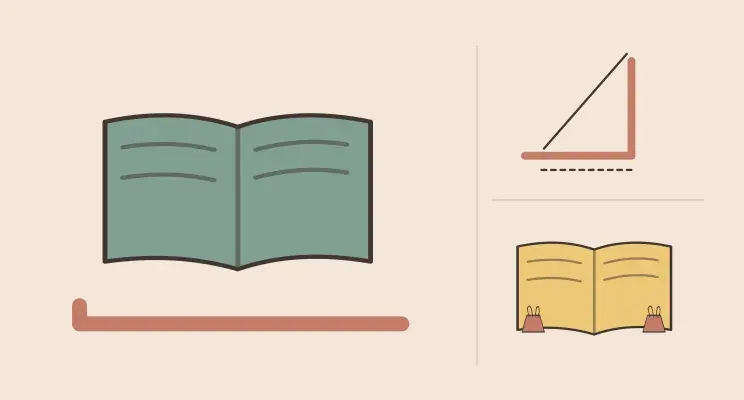
Test the book open at a recipe in the middle, where its real width shows.
3 ways to try it
Pick the number of portions before drawing the first cut.
3 ways to try it
A full-size paper outline reveals the reach, handle clearance and room for plates.
3 ways to try it
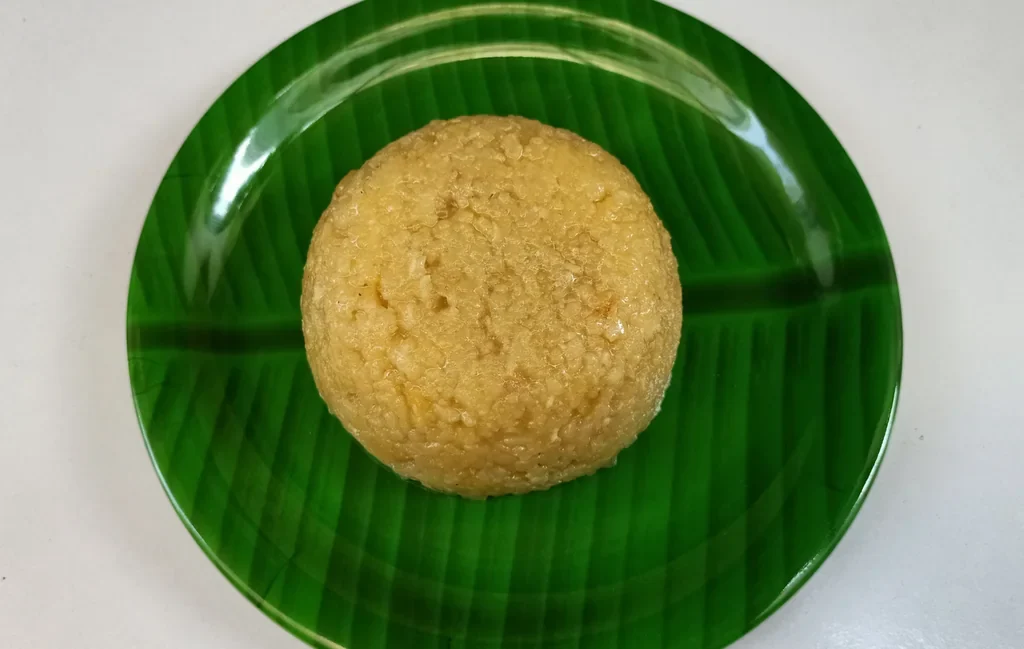
For this sweet Tamil harvest dish, soften the rice and dal first. Stir in the jaggery once the grains start to give.
Tradition from India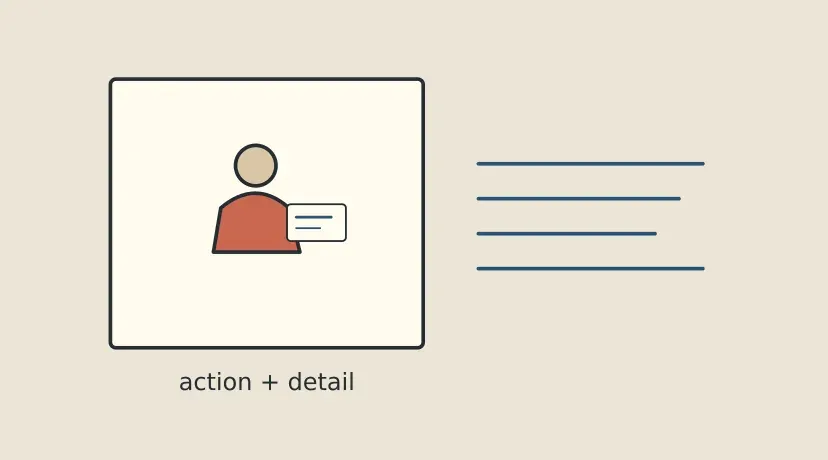
A useful description picks the part of the picture that matters in this particular album.
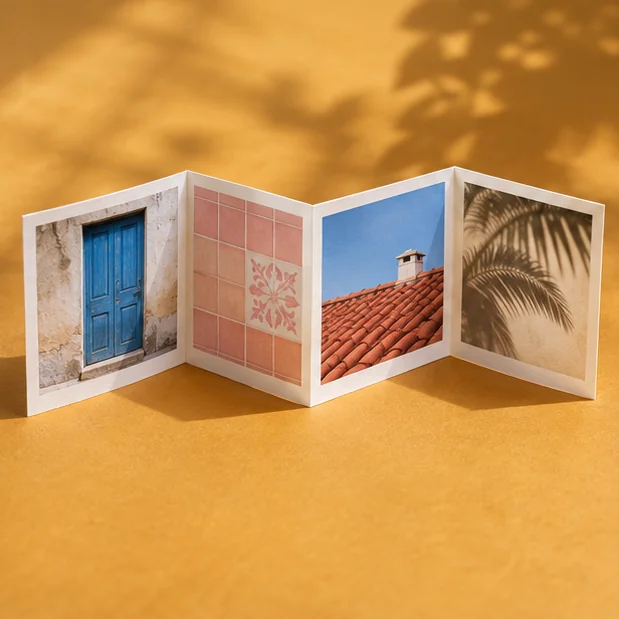
Four pictures from a shared day can tell a better story than a whole camera roll.
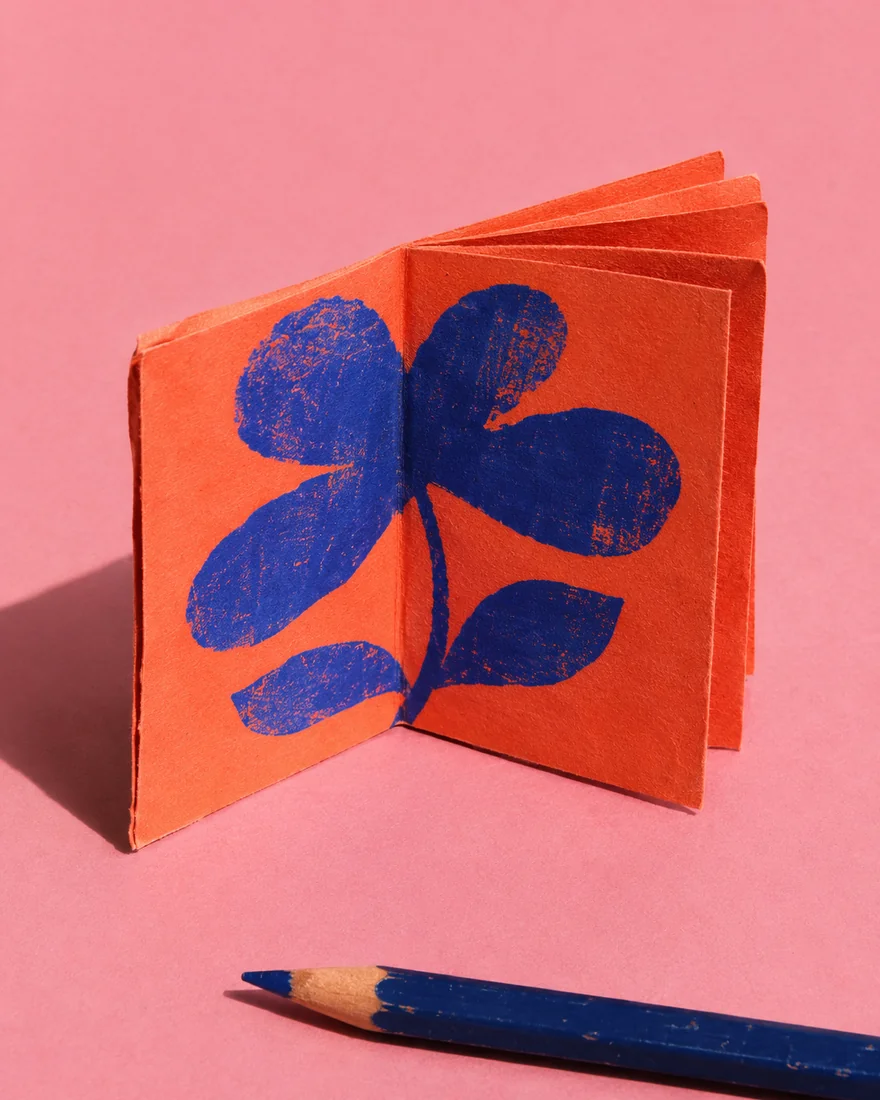
One sheet, one central slit and eight pages.
Adapted for the United States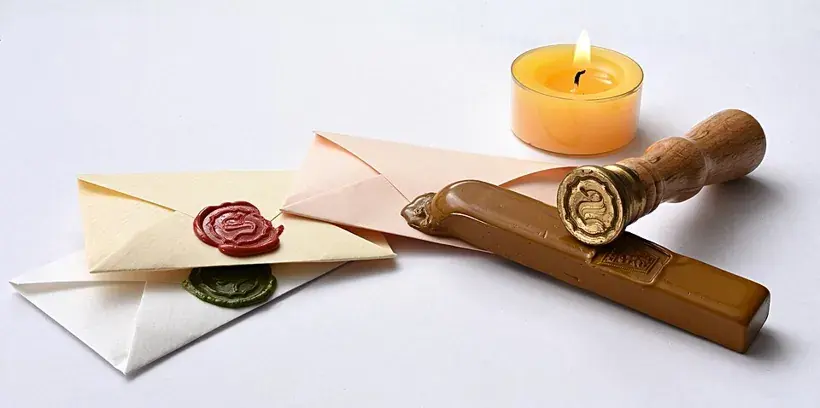
A dip nib, sepia ink and a small wax seal in one writing box.
Check the listing in the United Kingdom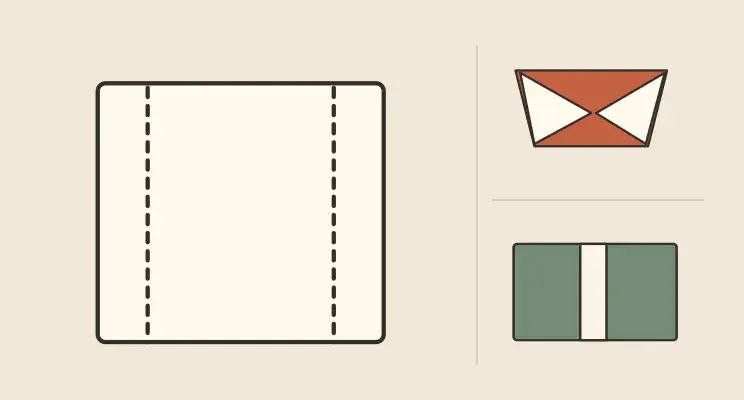
Two side creases and a folded base let a paper envelope stand up.
3 ways to try it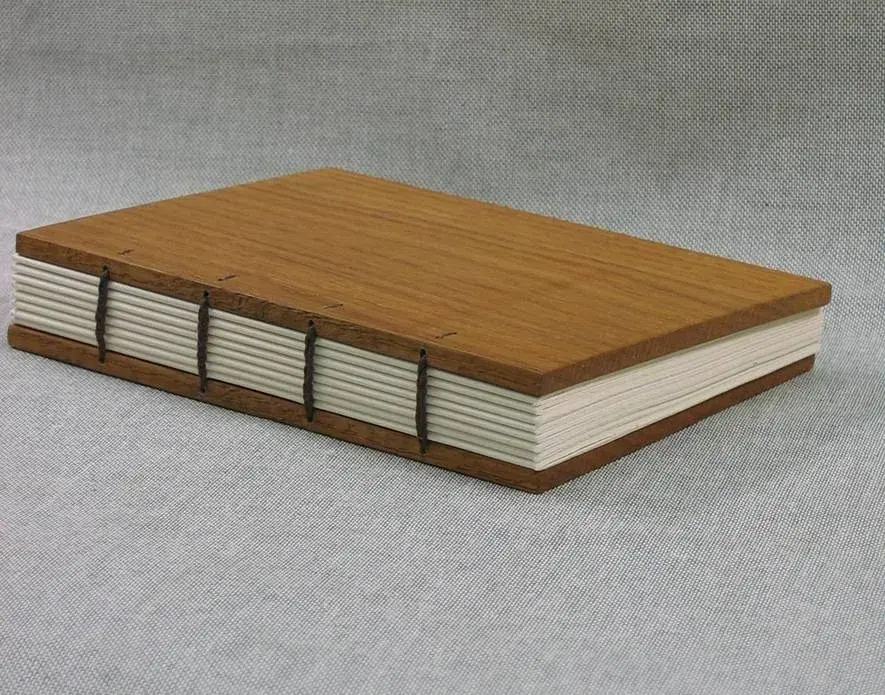
Exposed groups of thread turn the spine of a bound book into a visible structure.
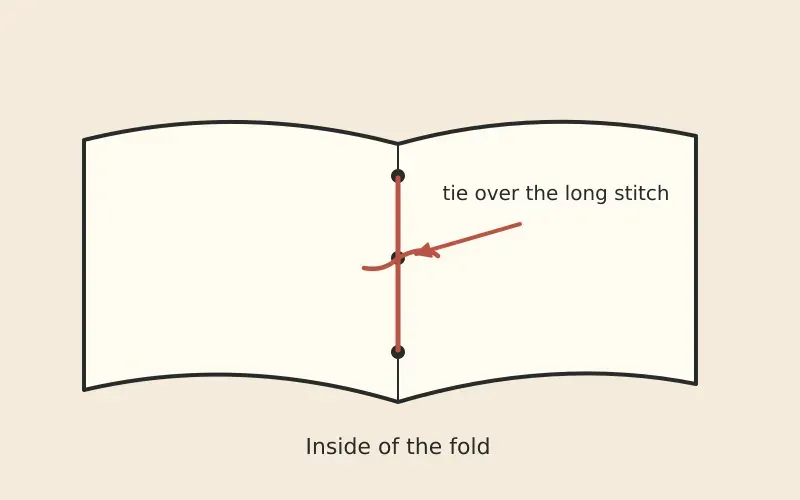
The centre hole starts and ends the seam.
Photograph the handwriting before rewriting anything. Keep a copy of the original with the notes that turn “the usual pan” into something another cook can recognise.
From this discovery