
Collection
Cakes that save their best trick for the first slice
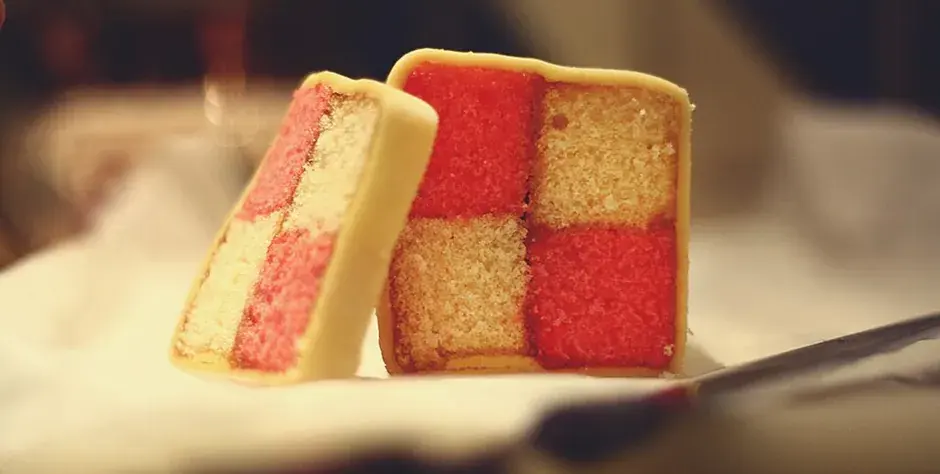
Start with the pink and yellow checks inside a Battenberg. Choose the pattern you want to see when the knife goes through.
15 discoveriesExplore similar
Food Reset selection
Start with the pink and yellow checks inside a Battenberg. Choose the pattern you want to see when the knife goes through.
15 discoveries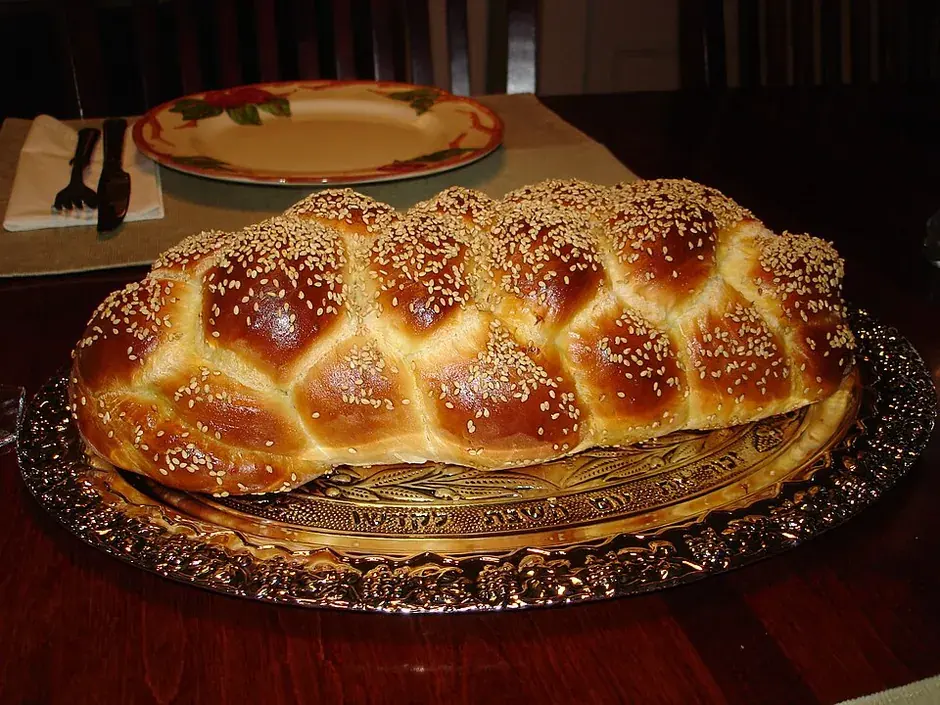
A braided loaf makes an over-and-under pattern you can follow with your eye.
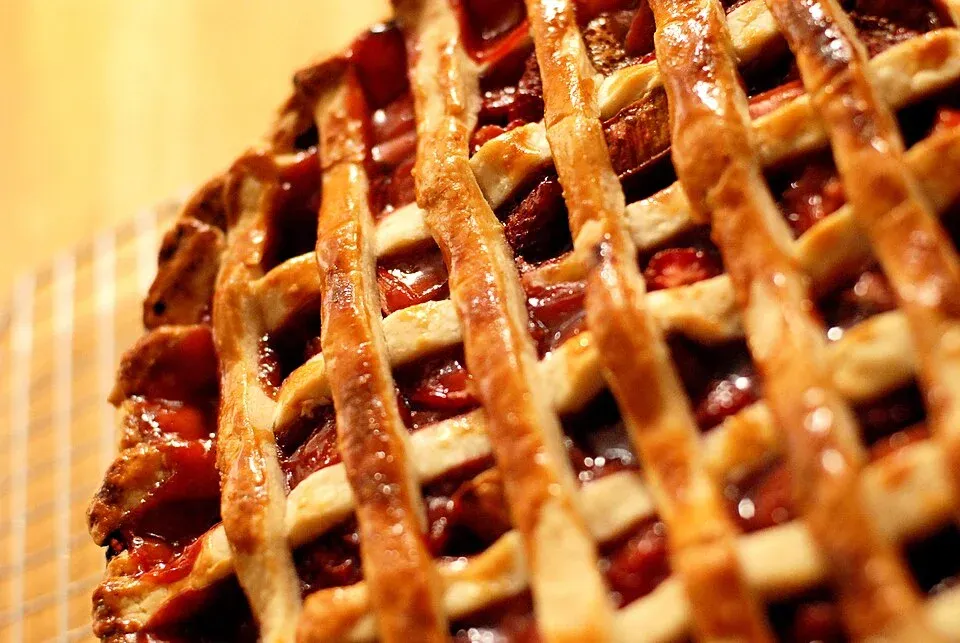
Three strips in each direction are enough to practise the weave. Start on paper if your pastry is getting soft.
The cut face reveals a pattern the outer wrapping conceals.
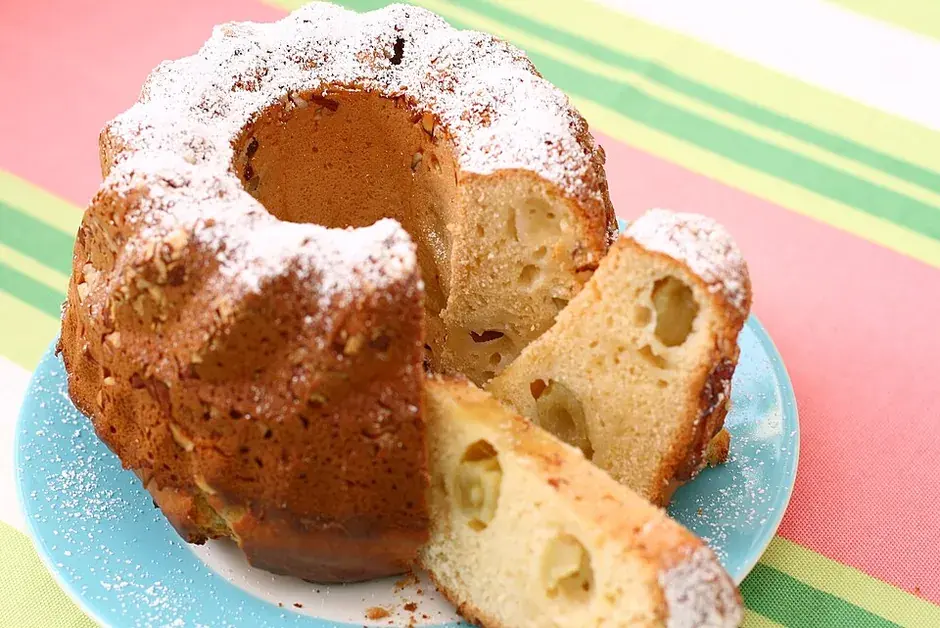
The mould has already drawn a pattern into a Bundt cake.
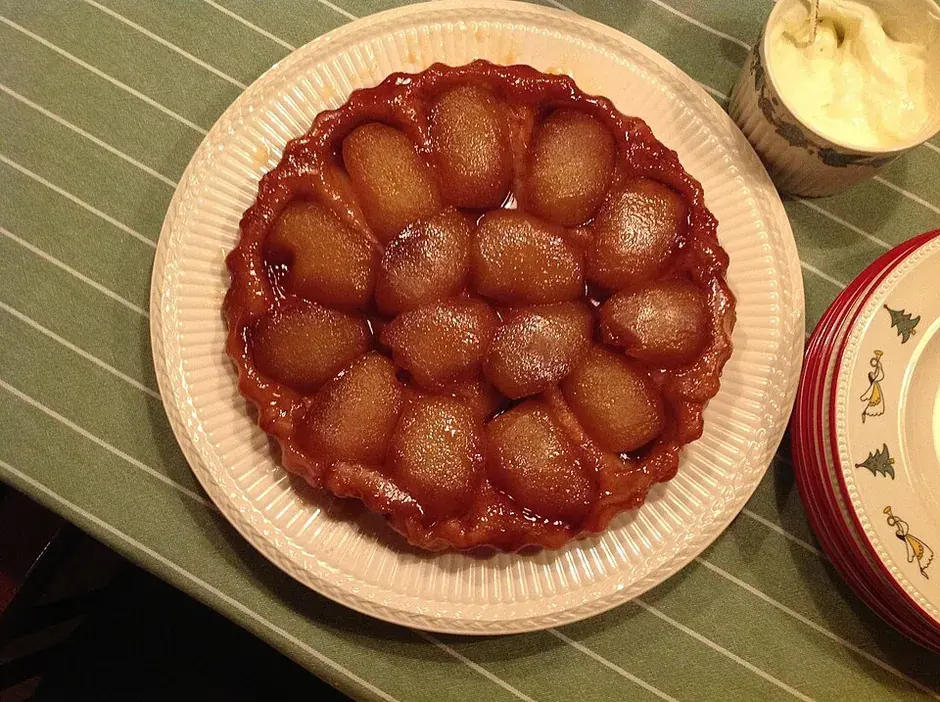
A tarte Tatin makes the fruit pattern visible after the tart has been turned out.
Use a cross-section sketch to see what a slice of the log will show.
3 ways to try it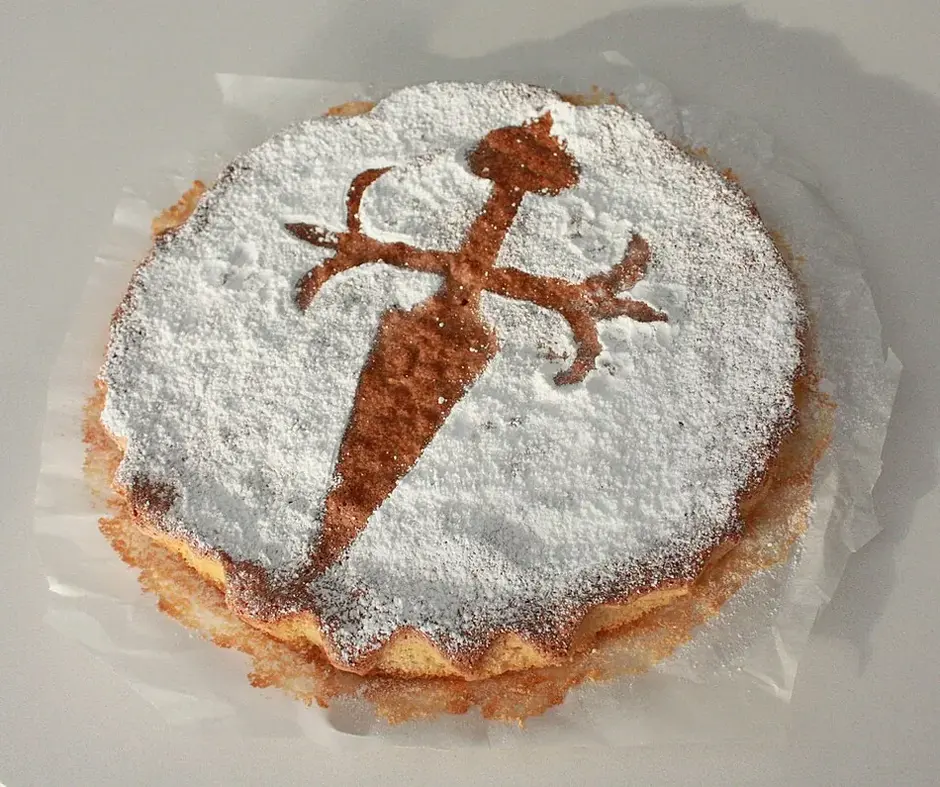
A paper shape works best when it can lie still and lift straight up.
3 ways to try it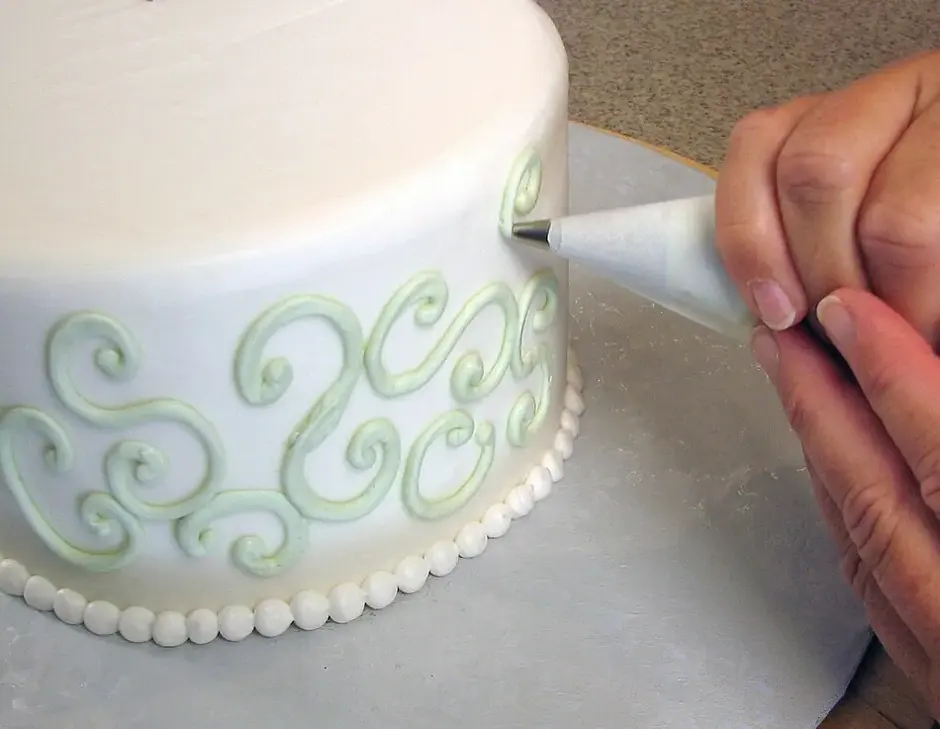
A sheet with circles beneath it helps you compare spacing and pressure.
3 ways to try it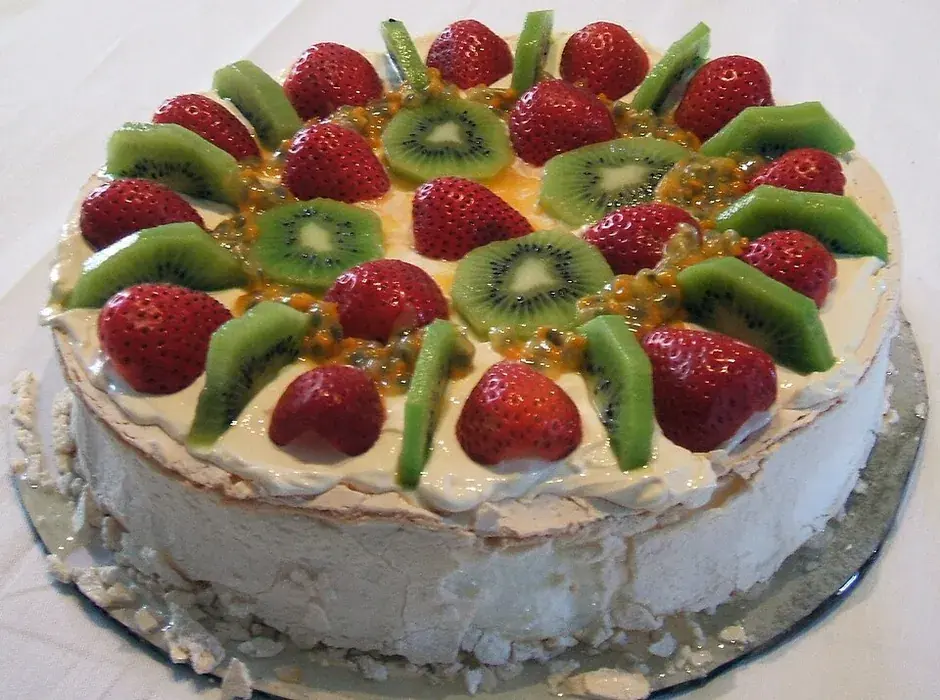
A pavlova has two good views, from the top and from the cut side.
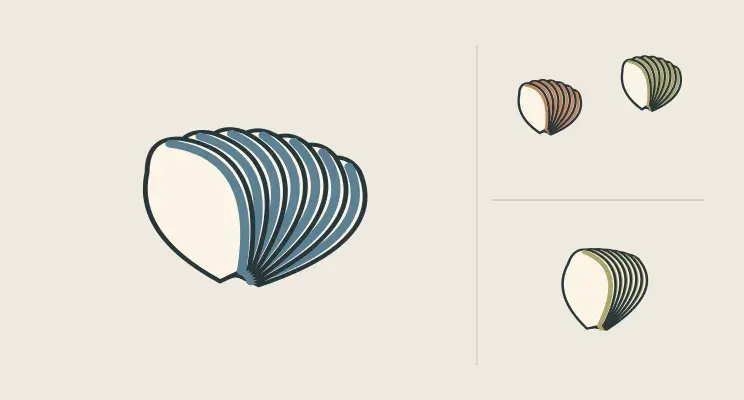
Keep a few neighbouring slices together so the skin makes one continuous curved line.
3 ways to try it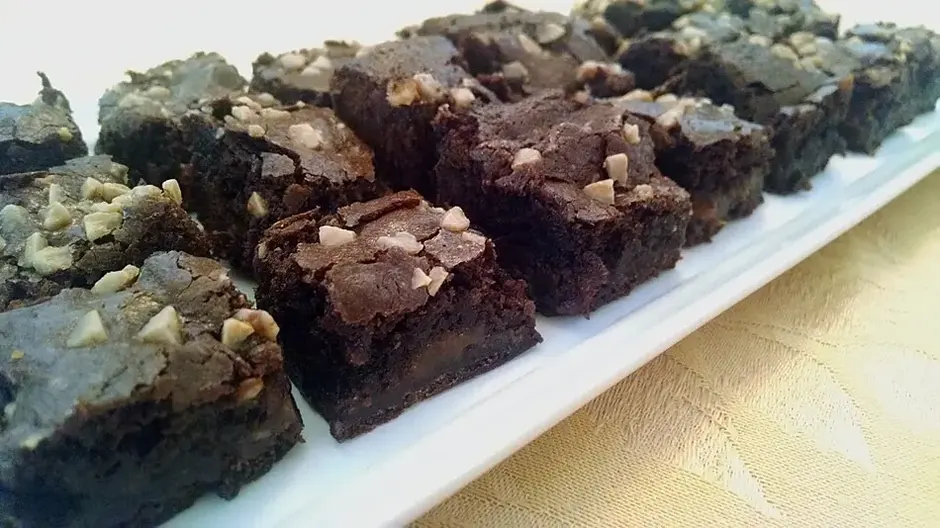
Pick the number of portions before drawing the first cut.
3 ways to try it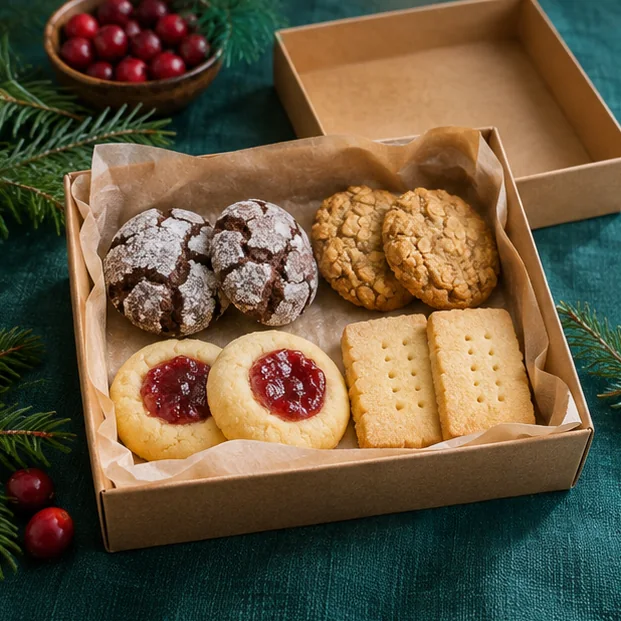
Four bakers can each bring eight biscuits and leave with four kinds.
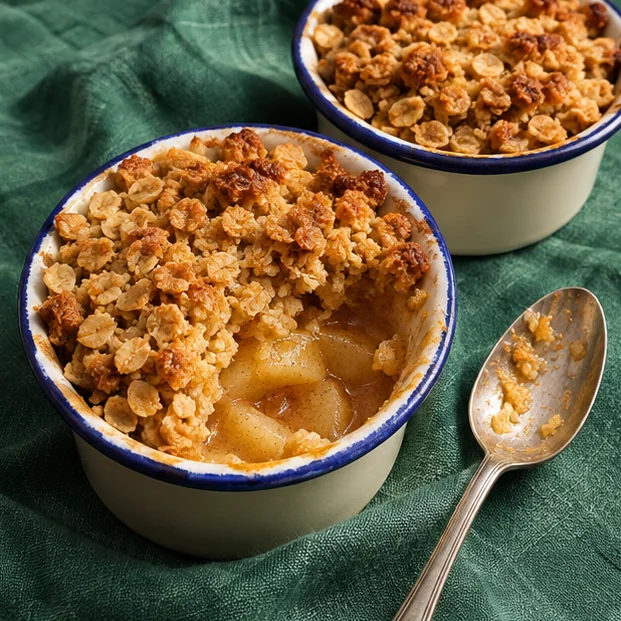
Dice the apples small and leave the oat topping in rough clumps.
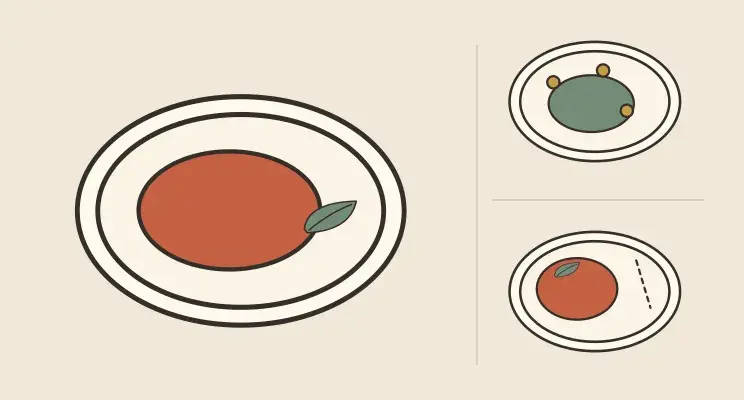
Leave a deliberate gap around the main food and put the brightest accent where it can be seen.
3 ways to try it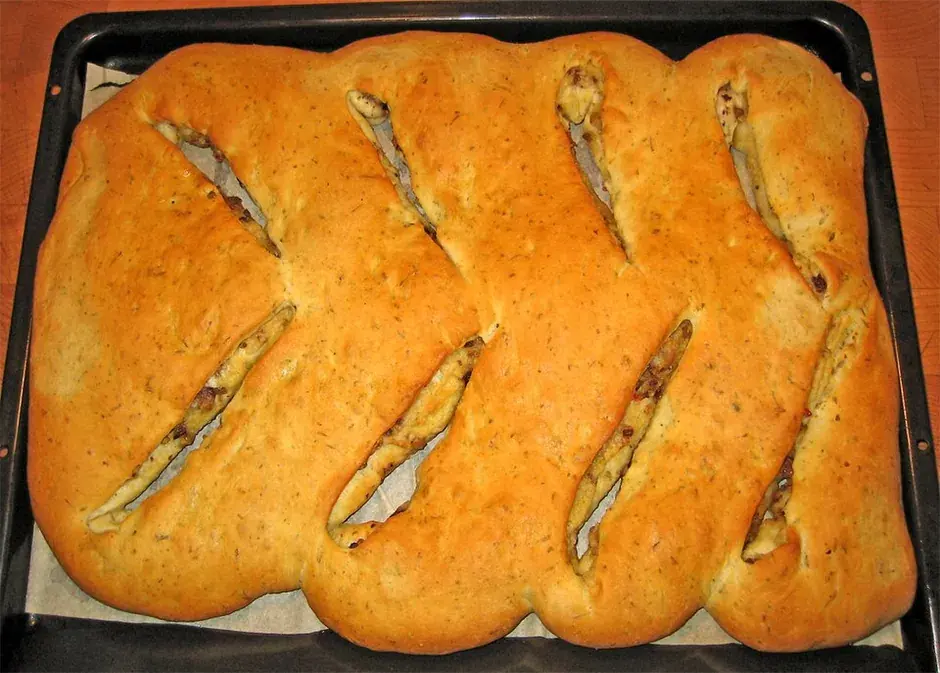
The cut-outs in a fougasse create a pattern you can see before the loaf is sliced.
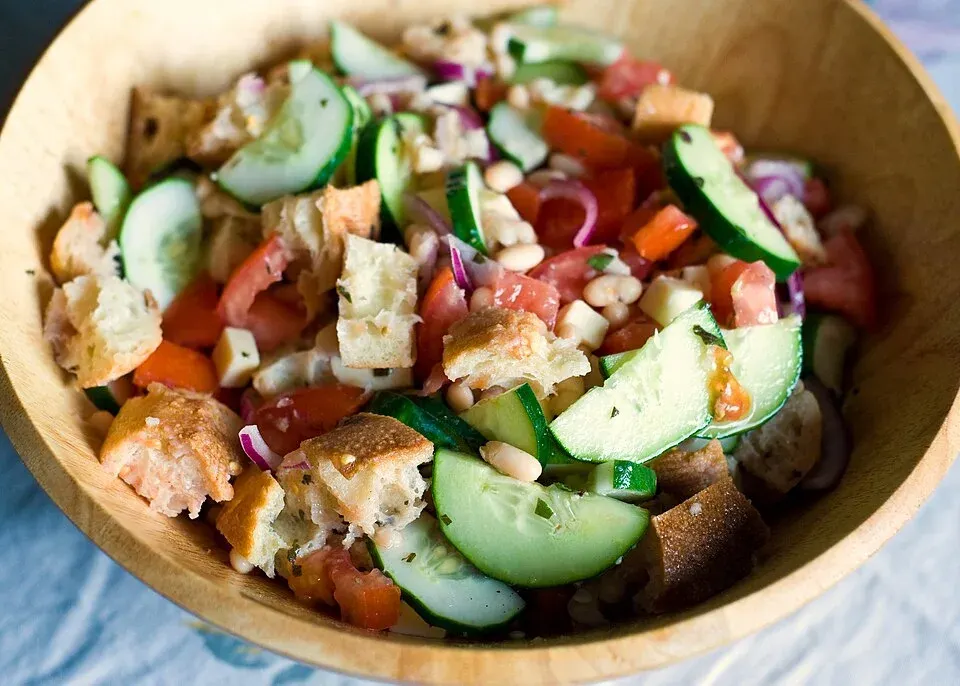
Squeeze the crumb first. A hard heel makes a crisp topping, while a sturdier piece can soak up a dressing.
3 ways to try it
A single base can carry two quite different suppers.
3 ways to try it