
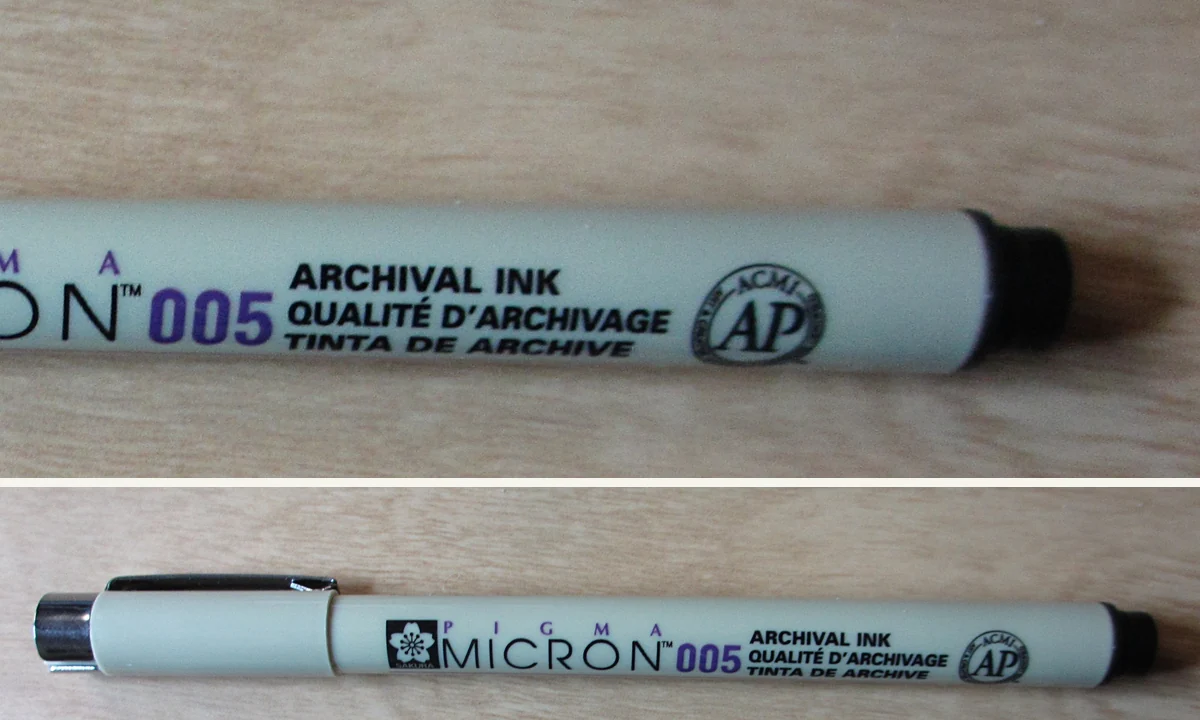
Sakura
Sakura’s Micron 005 for the smallest details in a sketch
Use this black fineliner for tiny hatching marks, map details or the windows on a street sketch.
Check the listing in the United KingdomExplore similar
Use this black fineliner for tiny hatching marks, map details or the windows on a street sketch.
Check the listing in the United Kingdom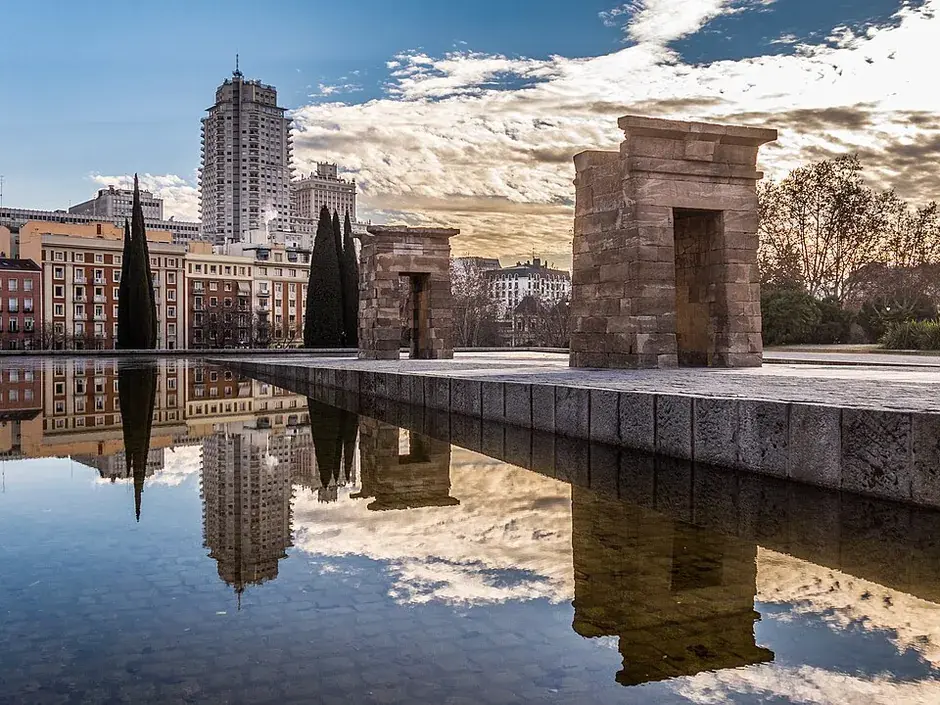
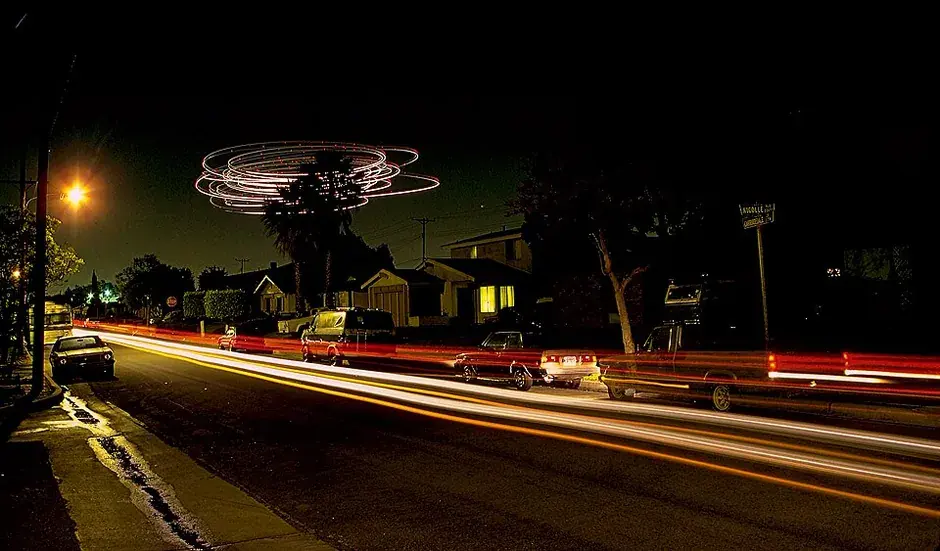
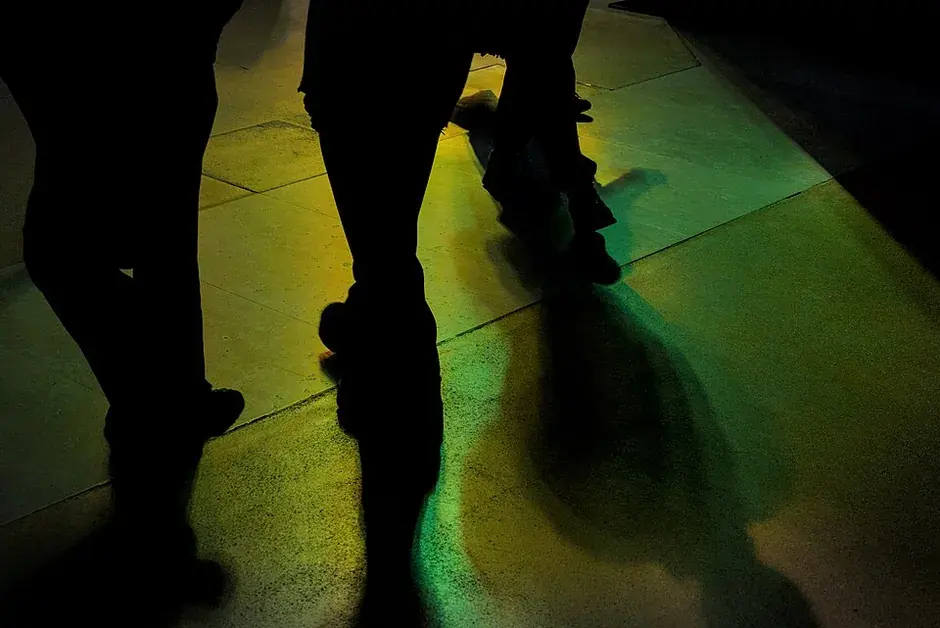
A still pool, a coloured floor and a lit street each have a second image hiding in them.
16 discoveries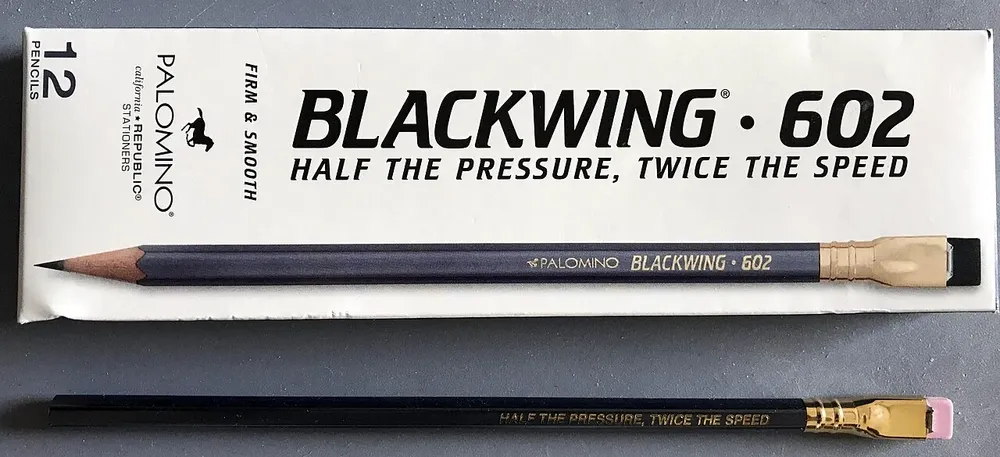
A drawing pencil with a wide replaceable eraser that can be pulled farther out as it wears.
Check the listing in the United States
A reflecting pool can turn a building or tree into a nearly symmetrical picture.
A coloured window can make an entirely different picture on the surface below it.
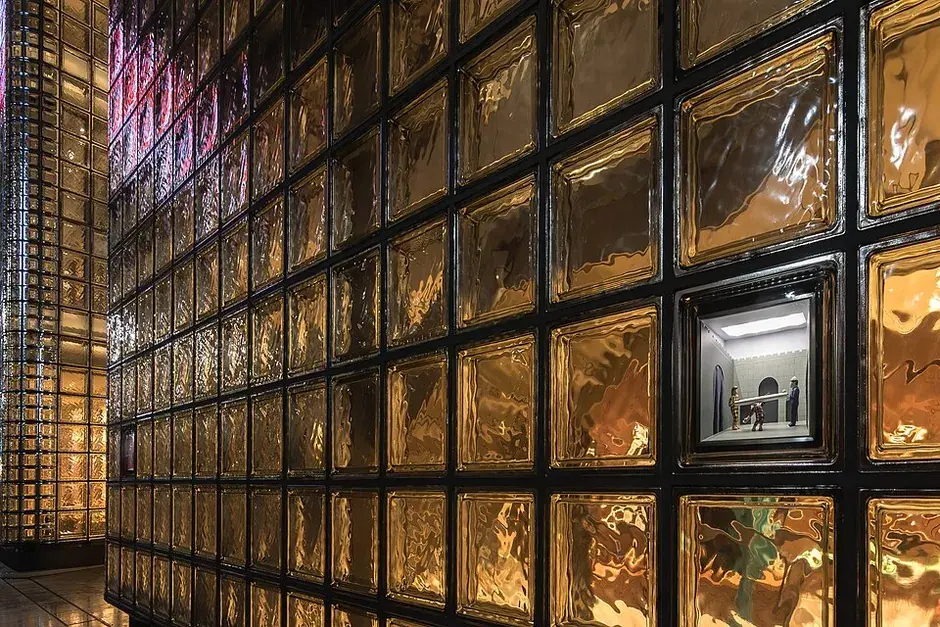
Glass blocks break a view into softly lit squares.
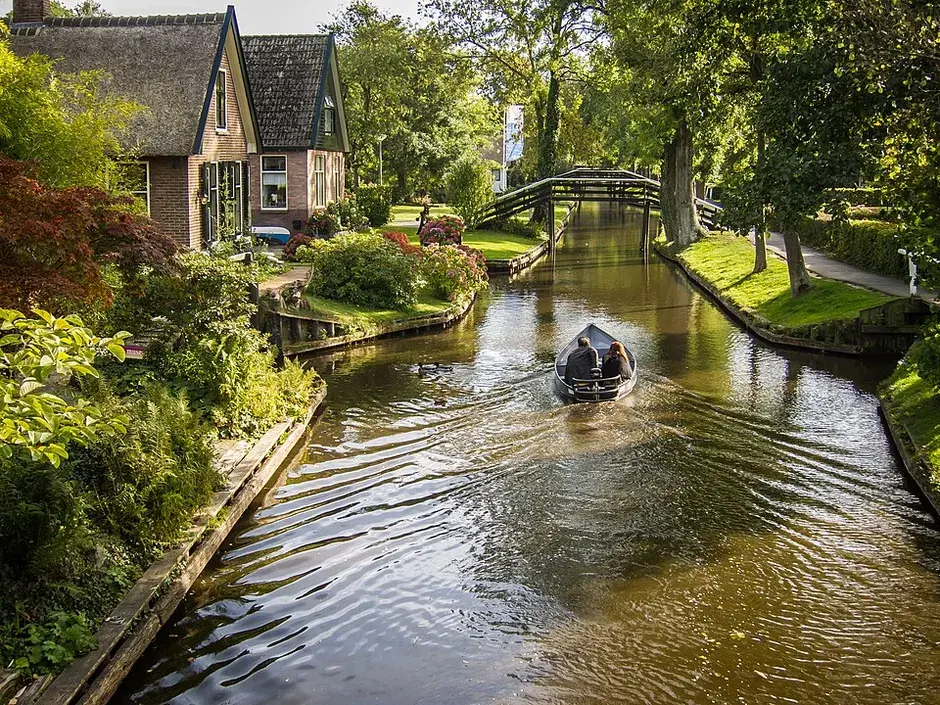
A boat leaves a visible trail between the planted banks of Giethoorn.
Located in the Netherlands
At Marrakech’s Jardin Majorelle, a small area of strong blue carries across a scene full of foliage.
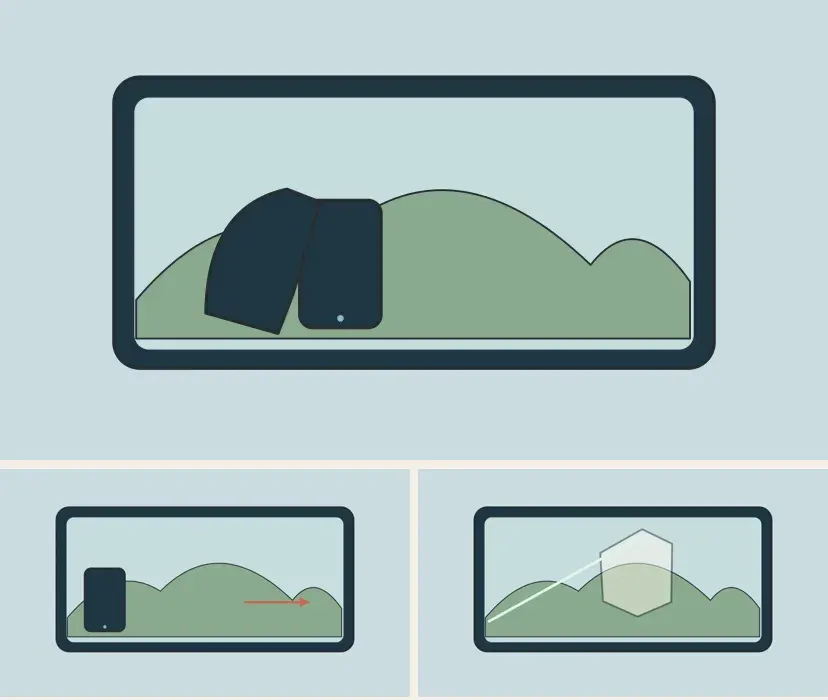
Light inside the carriage can appear over a perfectly clear landscape outside.
3 ways to try it
A long exposure turns passing lights into continuous lines against a still background.
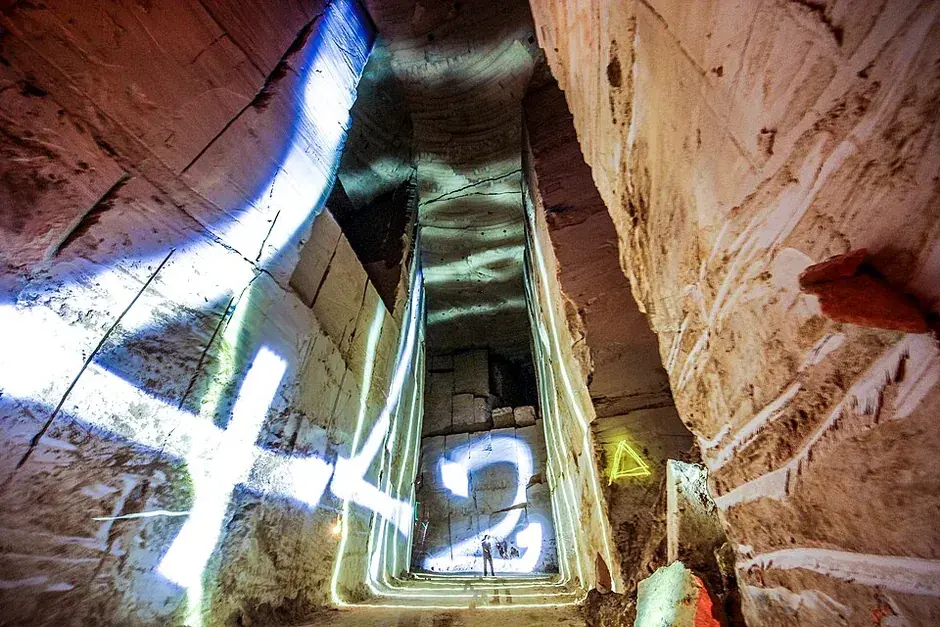
A luminous line can turn an ordinary room into a drawing surface.
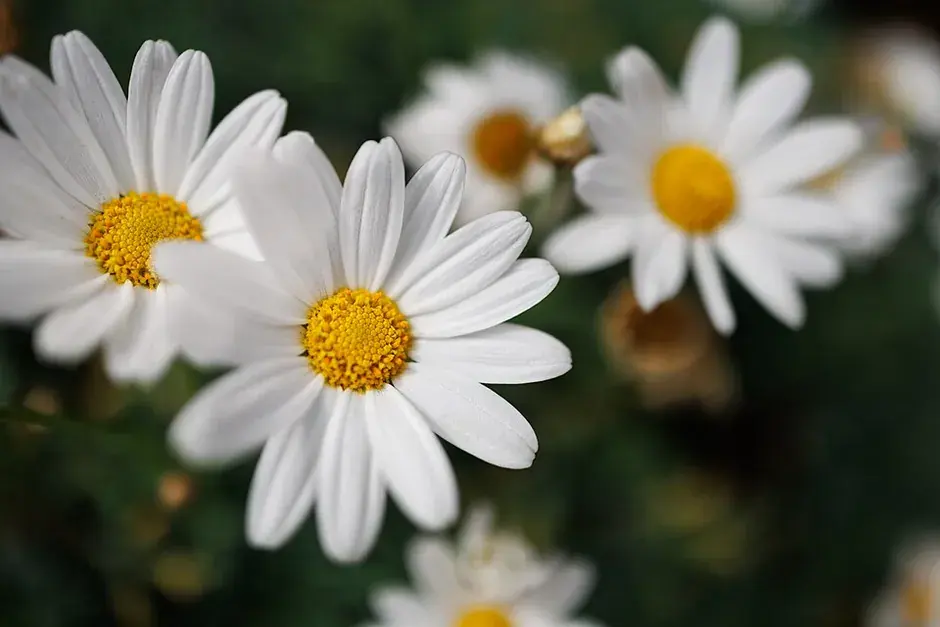
A shallow-focus photograph can separate one flower from several similar neighbours.
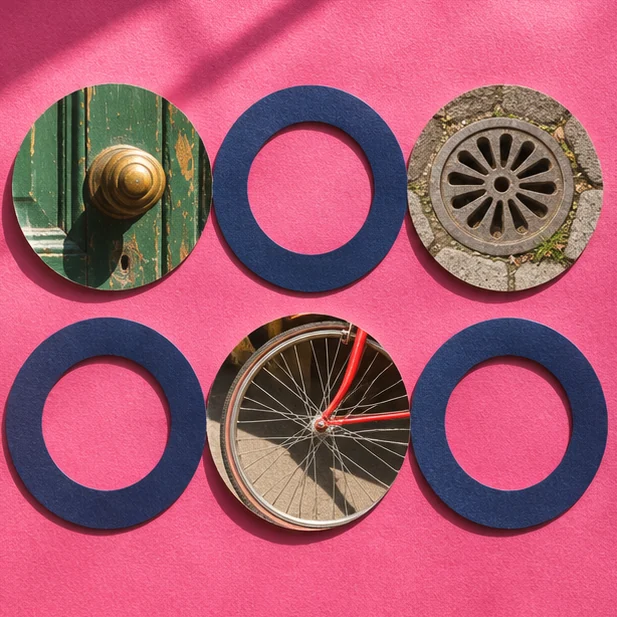
Look for a circle that moves, one set into a surface and one that turns into an oval from where you stand.
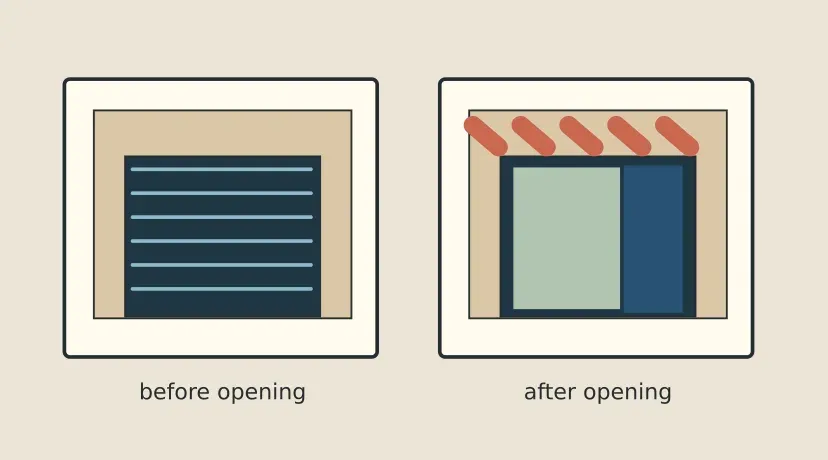
One pair of photographs can show a street changing without requiring pictures of identifiable people.
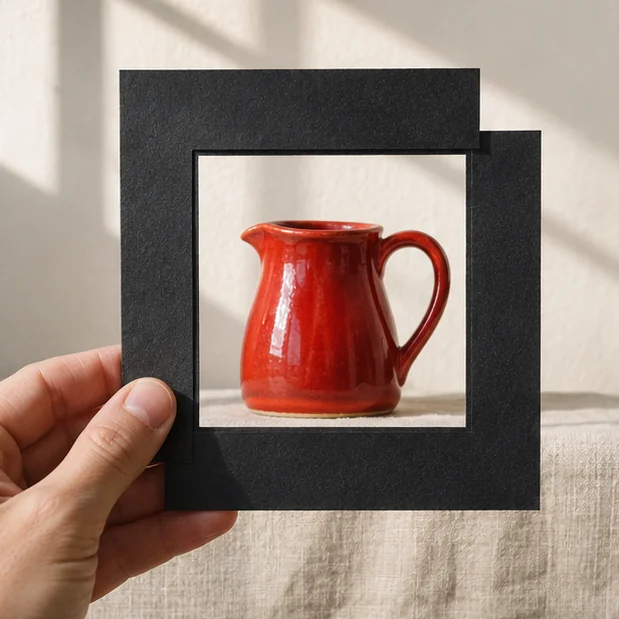
Slide two card corners around a drawing or print already on the table.

Check which detail survives all three windows before taking the picture.
3 ways to try it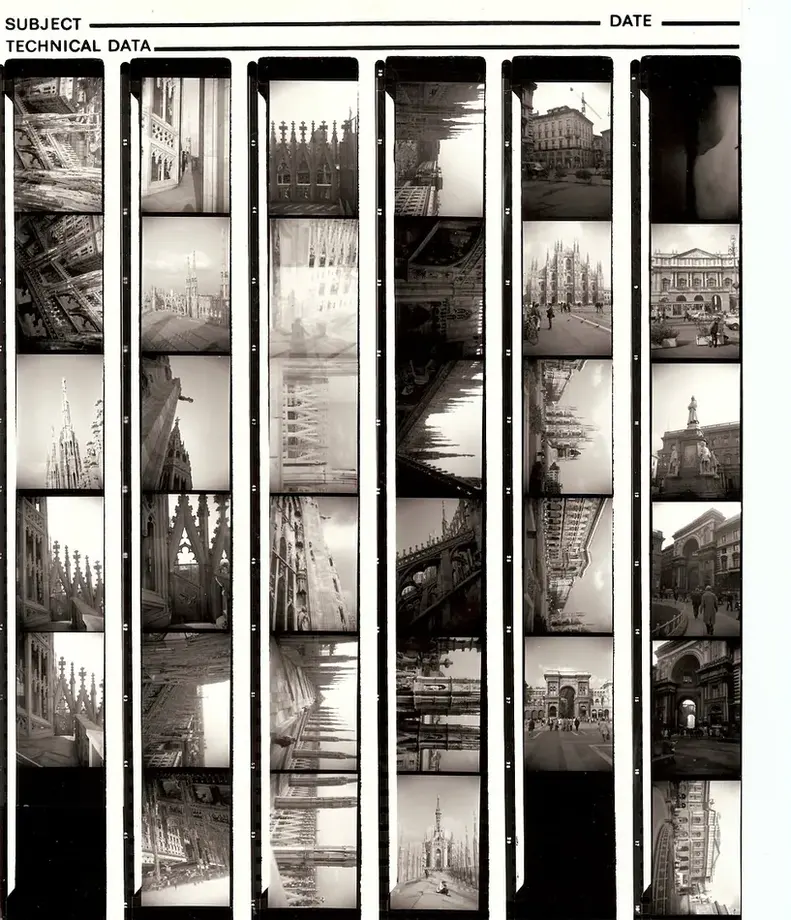
Use a contact sheet to separate scene, action and detail.
3 ways to try it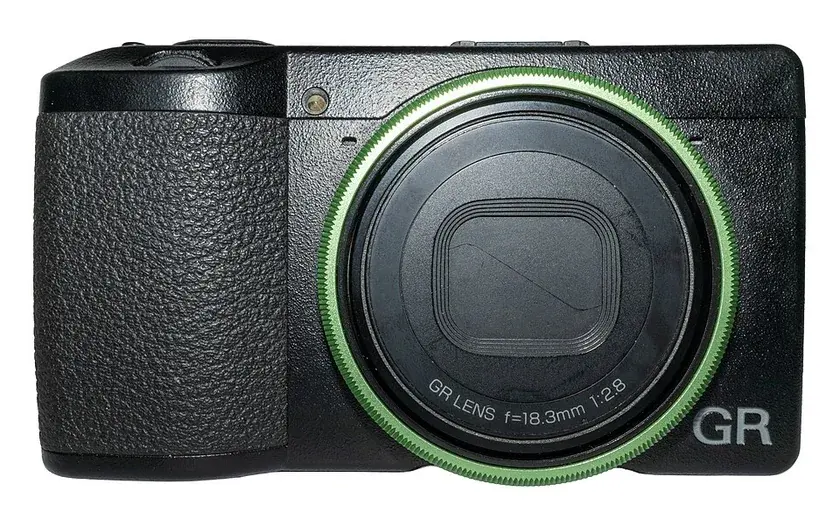
A pocket camera built around one wide field of view for walking through a city.
Check the listing in the United Kingdom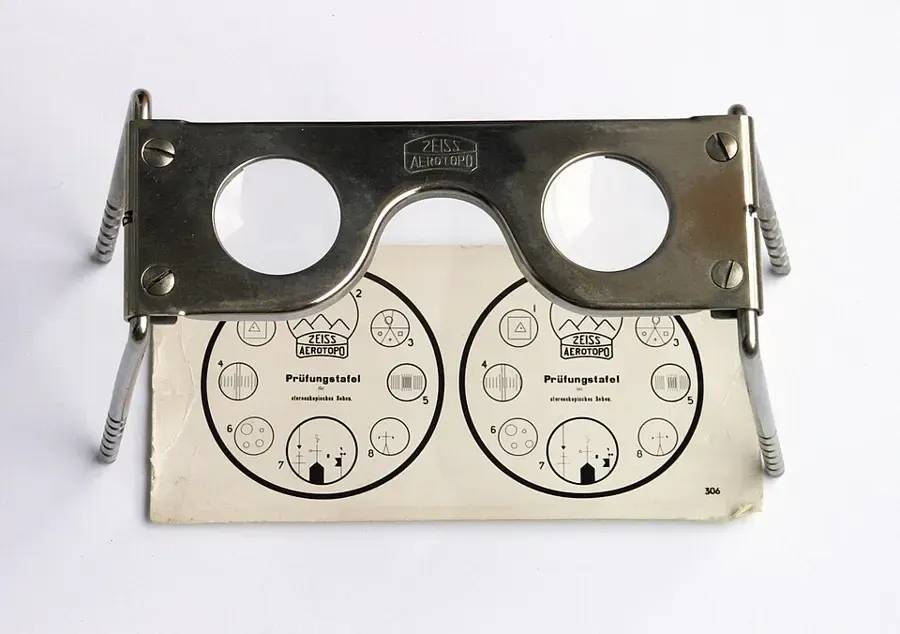
Moving sideways between two pictures reveals a change in perspective that a zoom cannot create.
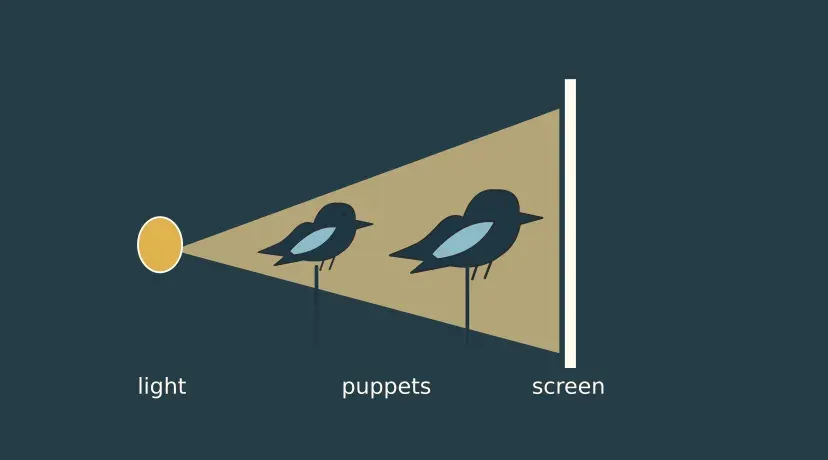
One character can look enormous beside the other even when the cutouts are the same size.
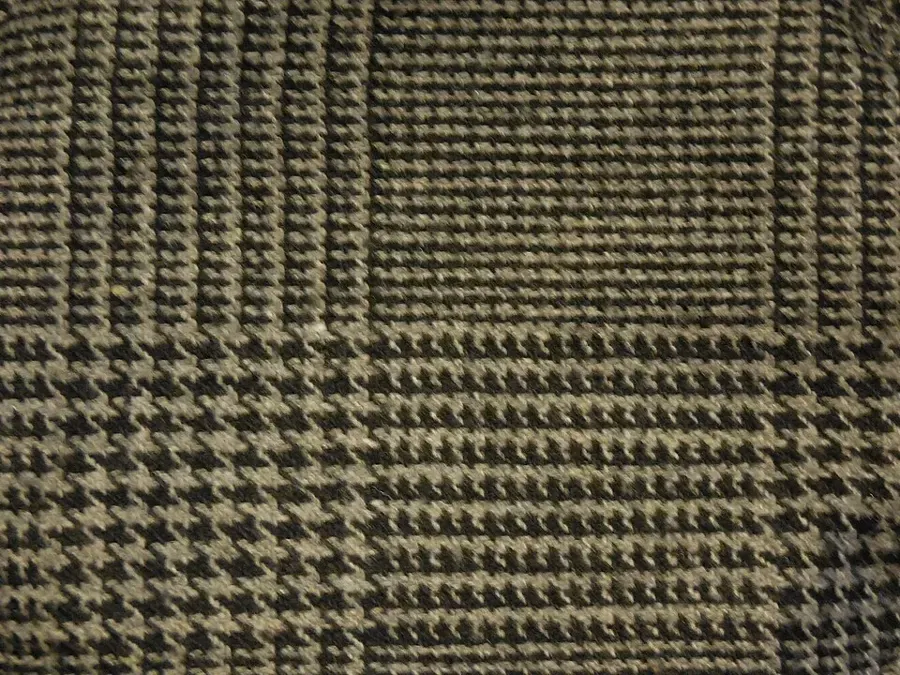
A single repeated unit tells you more about a cloth than a whole photograph of the garment.
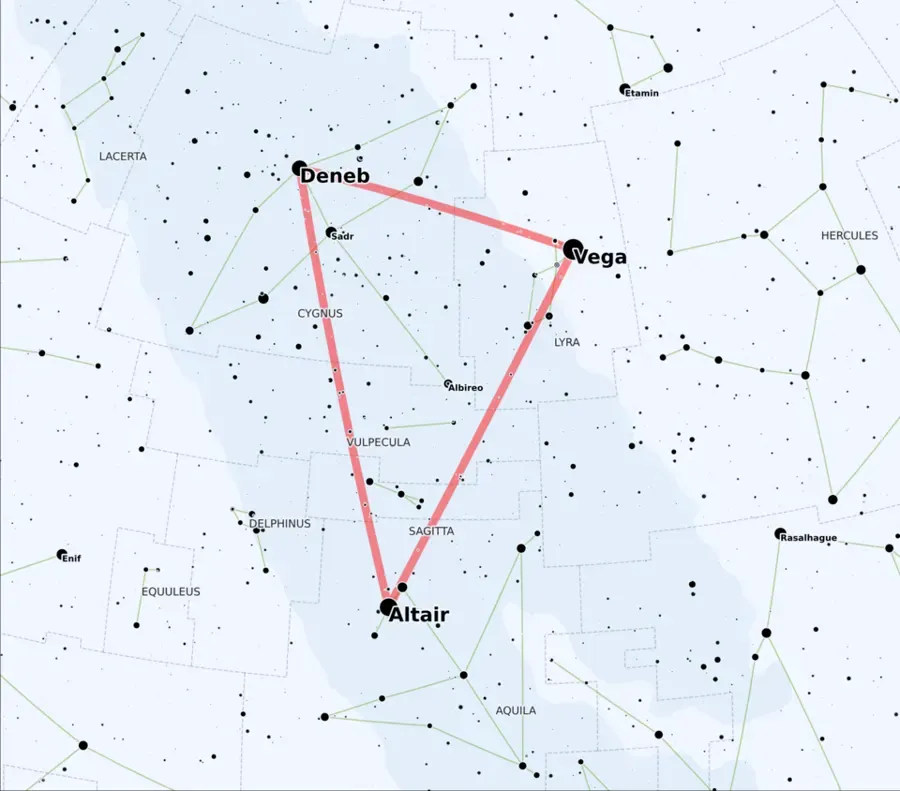
A small route from a bright starting star can be easier to remember outside than a whole printed atlas.
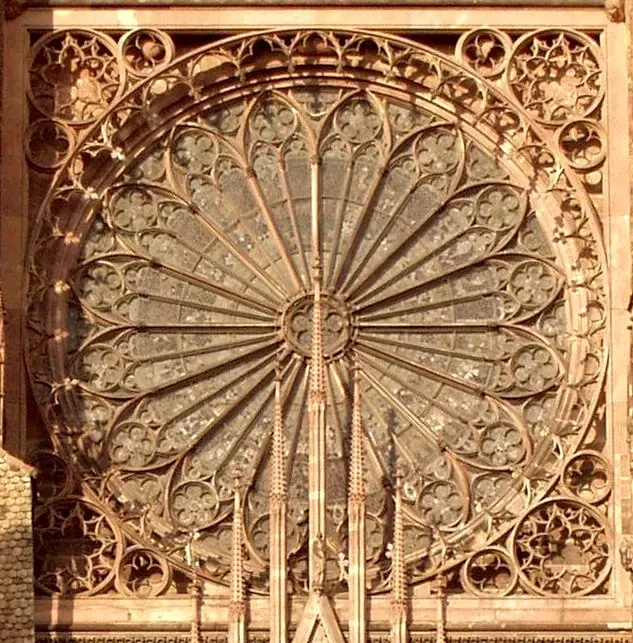
A round window becomes easier to study once its centre and major spokes are established.
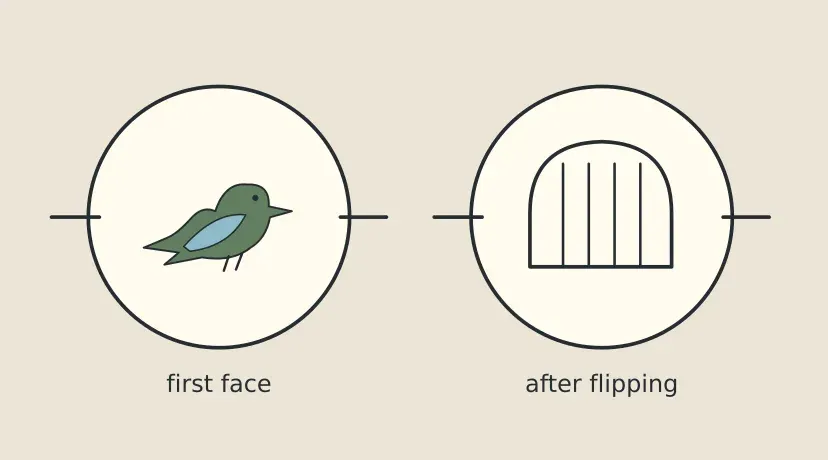
Draw a bird on one side, a cage on the other and use the turning disc to combine the pictures.
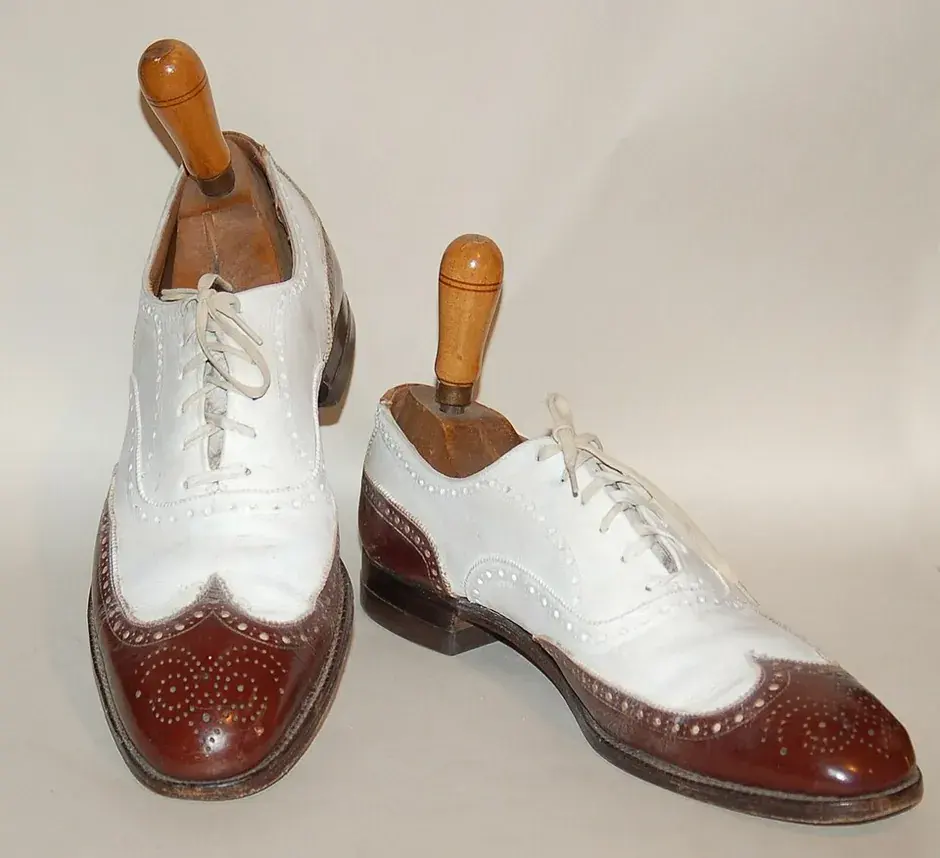
Spectator shoes draw part of their pattern from contrasting panels.
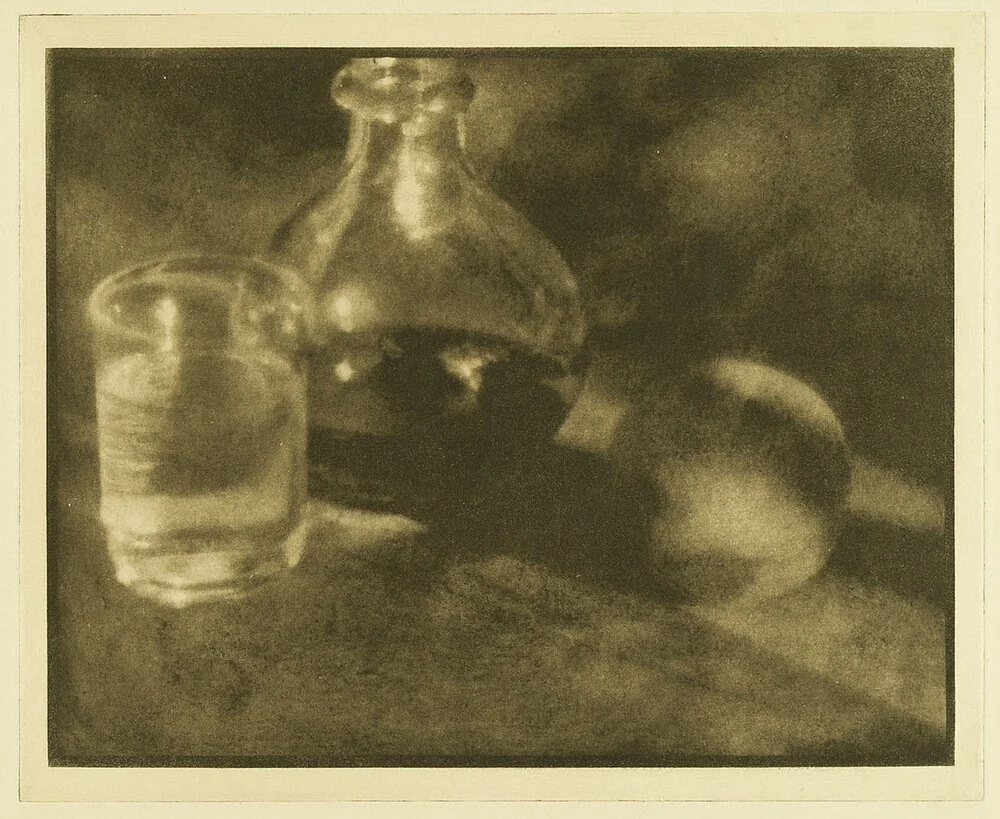
In Heinrich Kühn’s 1911 photograph, a tall bottle, a tumbler and one round form hold the whole frame. Try their arrangement at your kitchen table.
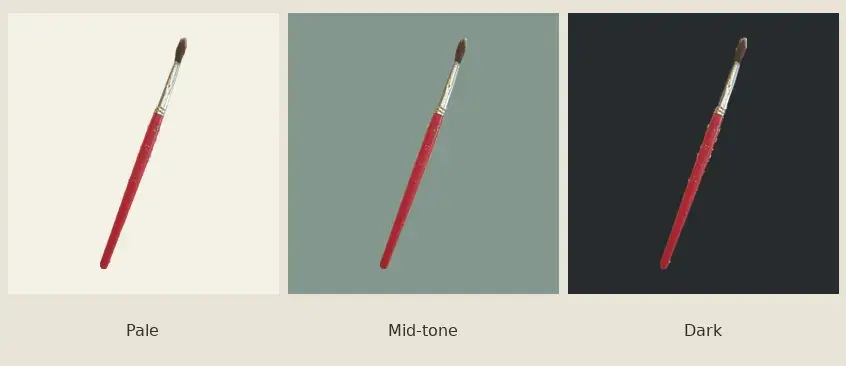
Compare pale, mid-tone and dark paper without changing the subject or the light.
3 ways to try it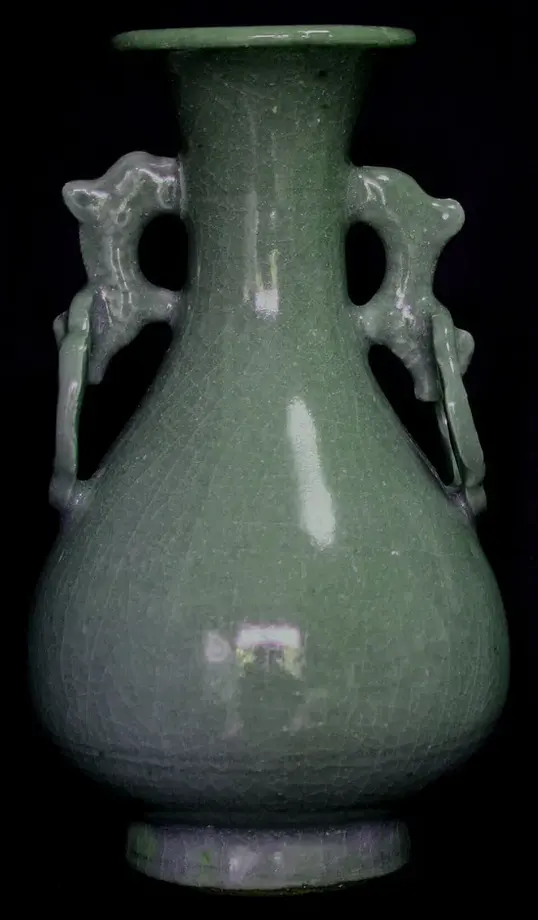
A pale glazed vessel can hold attention without a busy pattern.
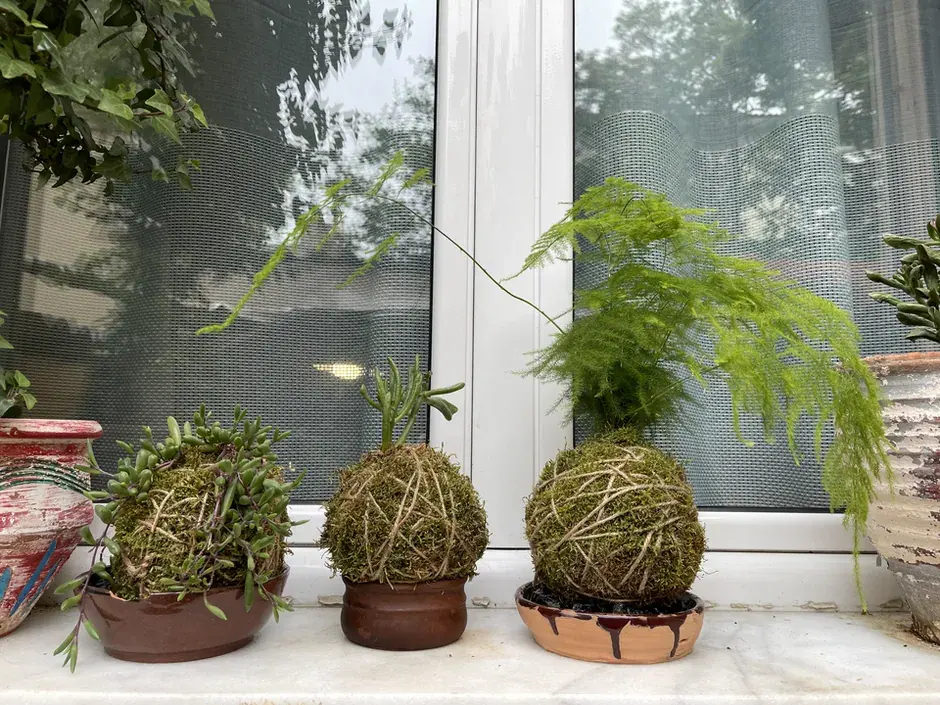
A kokedama pairs fine foliage with a compact, rounded base.
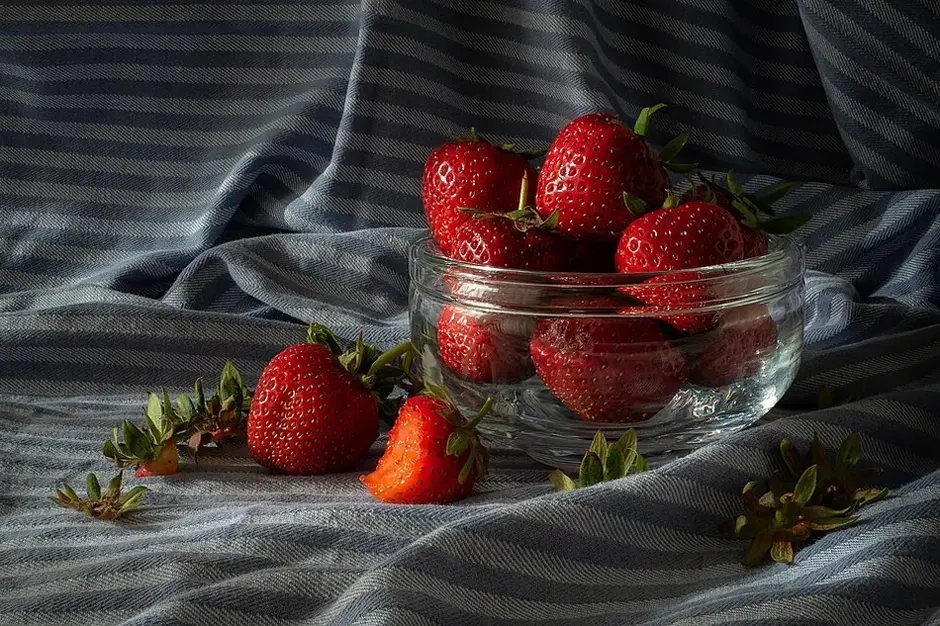
A bowl of strawberries shows what side light can do. Move a white card beside your own subject to brighten the shadow.
3 ways to try it