

Guide · Everyday
Why a tenugui has two unfinished ends
A thin Japanese cotton hand towel packs flat and dries open. The small fringe at the cut ends is part of the construction, and the first few washes deserve a little care.

Tradition from Japan · Editorial source
Kamawanu documents tenugui as a Japanese cloth tradition and distinguishes the general form from its own chusen-dyed products.
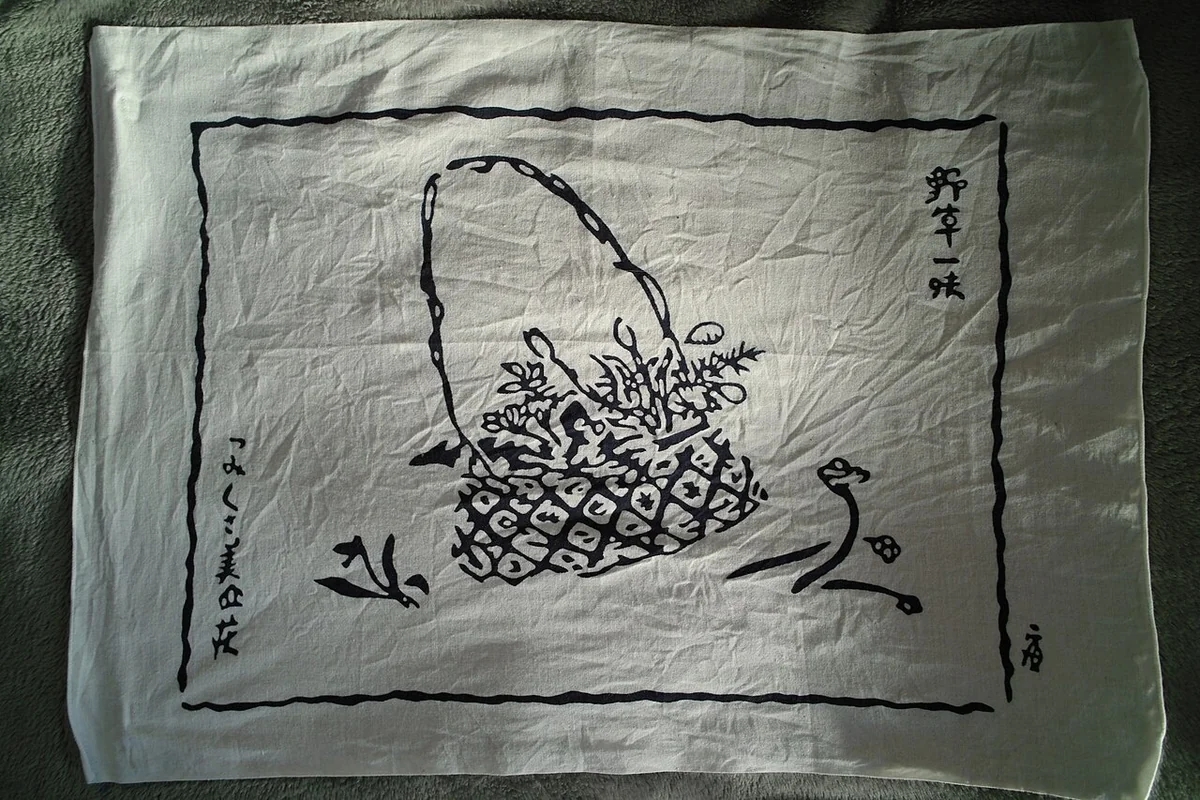
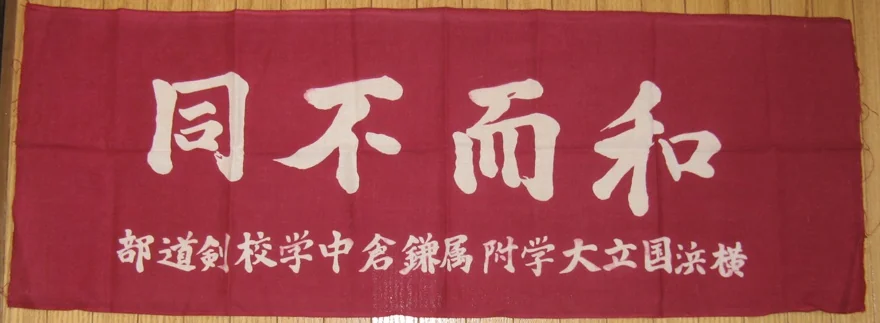
Lay a tenugui flat and compare its long woven sides with its two cut ends. Kamawanu, a Tokyo maker, describes the usual proportions as roughly 90 by 33 centimetres. Its chusen-dyed towels carry colour through both faces. Other makers may use different dyeing or finishing methods.
The how-to
Step by step.
Lay the towel open. The woven sides generally stay neat while the cut ends can grow a small fringe. Before sewing a hem or cutting into the design, check how the maker intended the cloth to finish.
For Kamawanu tenugui, the maker advises washing separately at first and avoiding detergents with bleach. If yours came with a different care label, follow that one.
Take the damp cloth out of your bag and open it to dry. A small loop or rail that lets the layers separate works better than leaving the folded towel in a closed pouch.
From this discovery