
 Seam-ripper detail · another handle
DIY · Sewing
The pocket you tie on before choosing a skirt
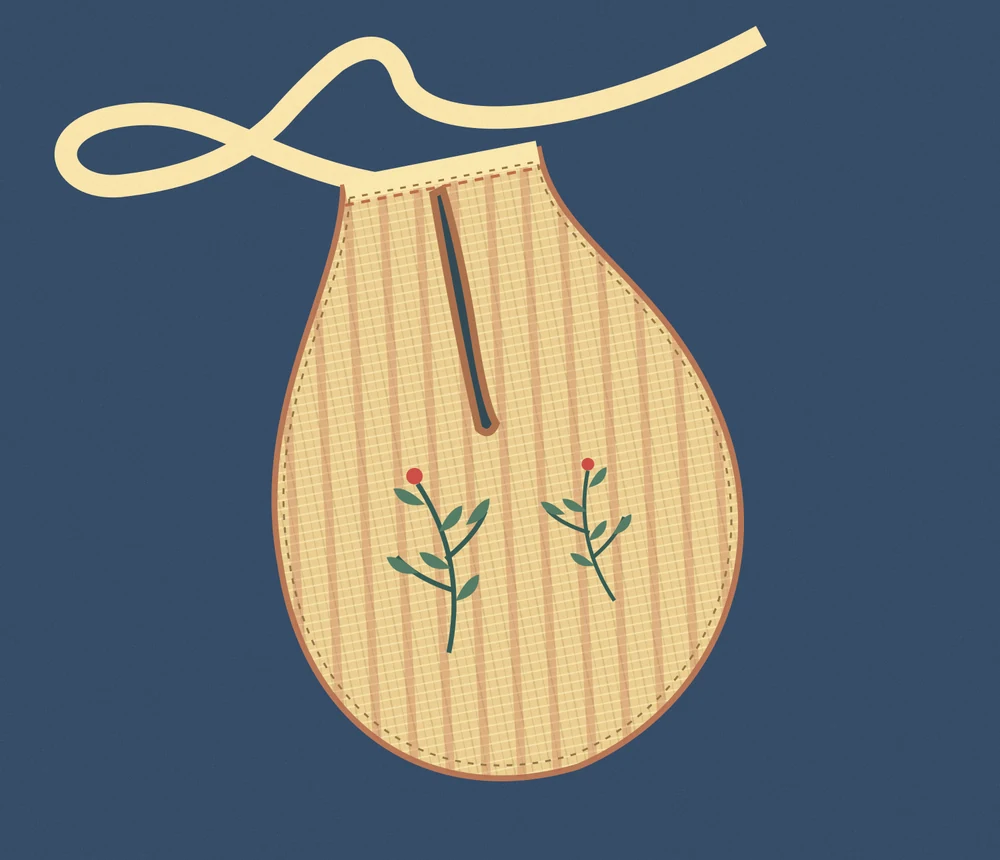
A separate pocket once let its wearer carry small belongings from one outfit to another. A waist tape, a pear-shaped pouch and an opening down the front still do the job.
See the toolsTools for this guide
Shopping region
Seam-ripper detail · another handleEstimate this combination
Uses dated prices in one market and currency. Shipping and taxes can change the total.Step by step · 3
What to gather
- Two pieces of firm woven cotton or linen
- Waist tape and narrow tape for the slit
- Paper, thread, a needle and scissors
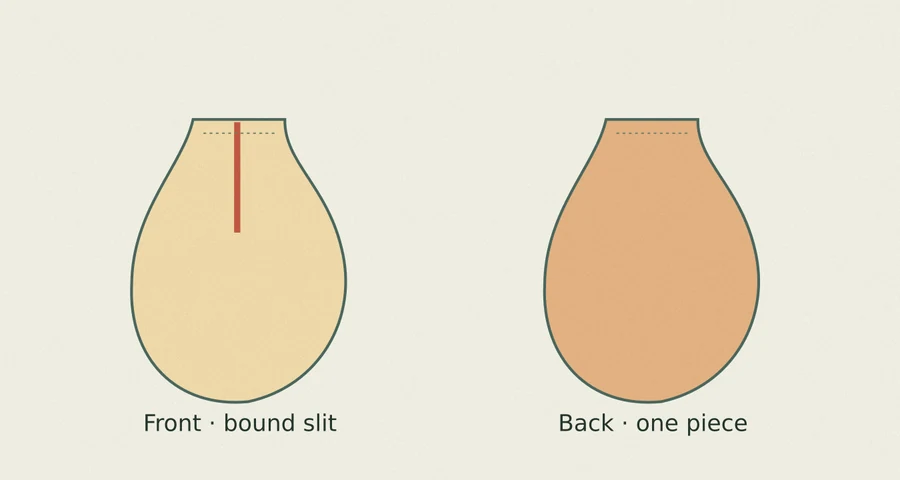
Fold paper in half and cut a flat-topped pear shape. Open it, place the object you intend to carry over it and mark a front slit long enough for your hand. Hold the paper against your hip and sit down before cutting your fabric.
Cut a front and a back with room for seams. Cut the slit on the front only. Bind its raw edges with narrow tape, turning neatly around its bottom. Try your hand through it before you join the pouch.
Sew the two pieces around the outside and finish the raw edges. Catch the flat top in a strong waist tie, stitching through every layer. Tie it over a skirt and try it with the intended contents. For hidden wear, the outer garment needs a reachable opening.
Use what you have · budget alternatives
Make the paper mock-up first. An old cotton pillowcase supplies the panels, and an undecorated front does the same work as an embroidered one.
More about this discovery
The V&A shows surviving examples worn beneath petticoats or over a skirt. The hand goes through a slit in the front, leaving one continuous layer of fabric between the contents and the body.
Editorial sources
From this discovery