
Solution · Nature & wildlife
Identify a half-hidden bird without pushing through the branches
When the colours are hidden, an outline, a movement or a place in the tree can still be worth recording.
Start the steps
An ordinary walk, under a lens
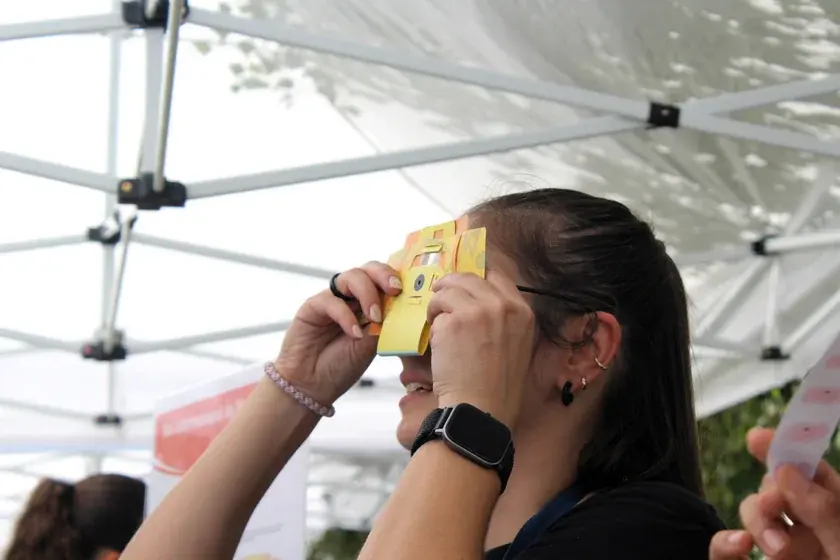
Foldscope in use · kit contents differ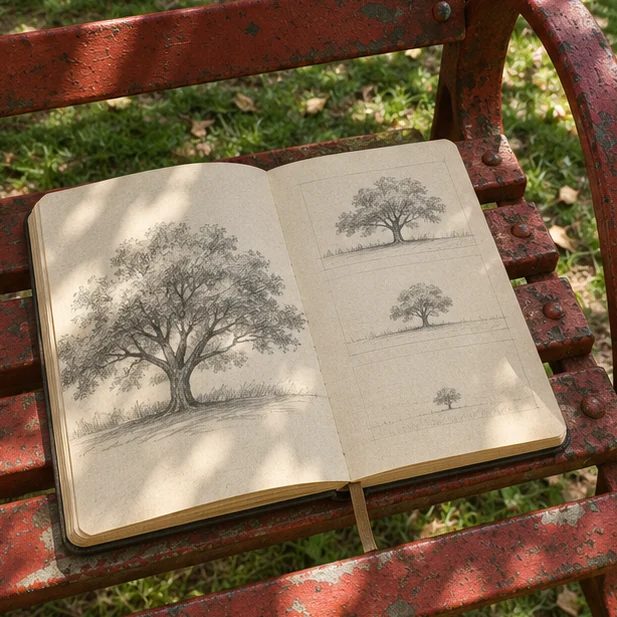
Draw the same tree from three distances
AI-generated illustration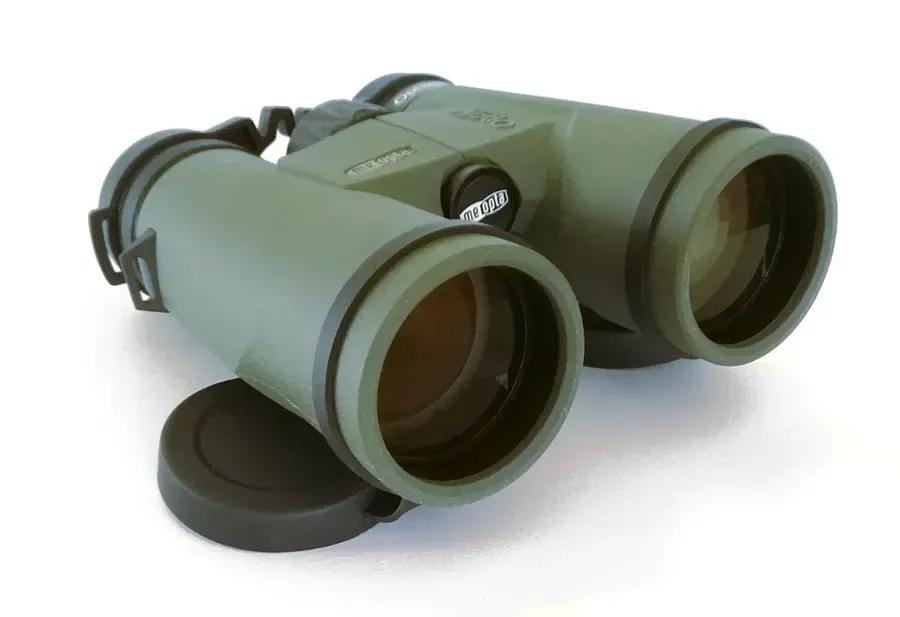
Bring binoculars up without losing the bird
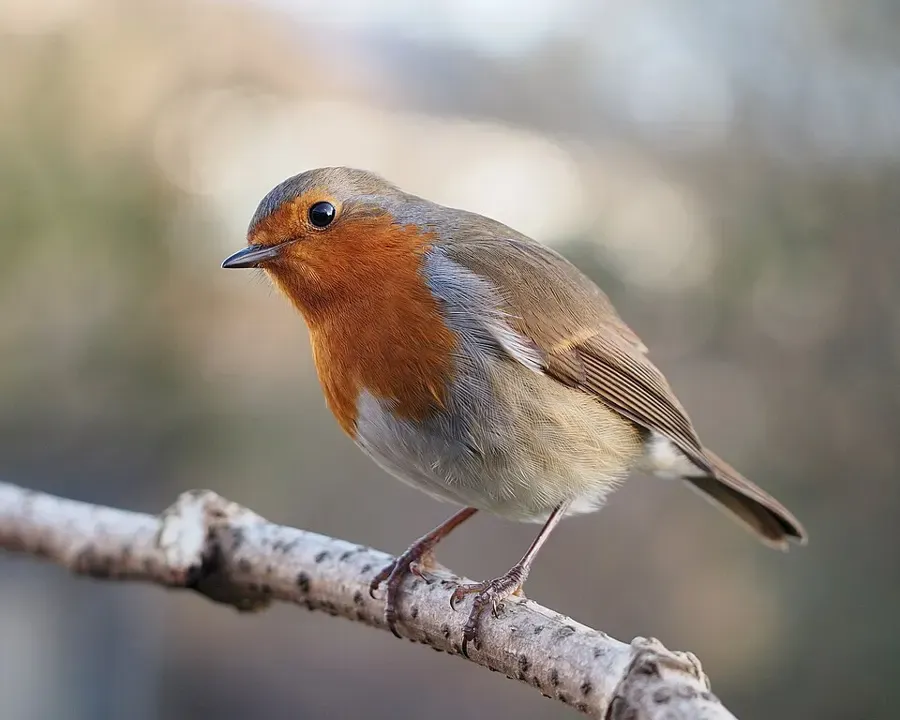
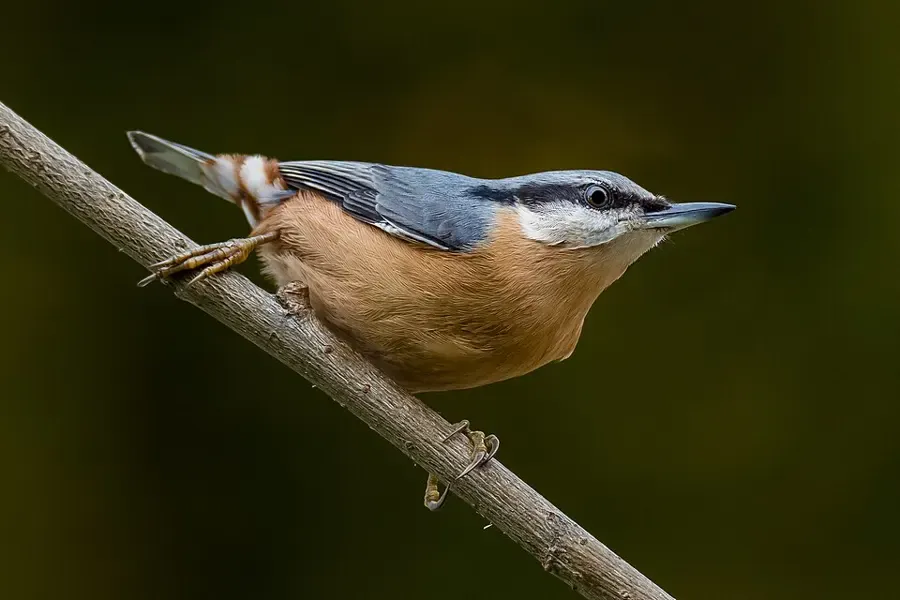
Reference photographStep by step
What to gather
- pencil
- notebook
- binoculars if available
Write observed details on the left and possible identifications on the right.
Compare the strongest two clues with a regional guide. Keep more than one possibility when they conflict.
If your two useful clues fit several birds, record the family or a description and leave the species unassigned.
Ways to solve it
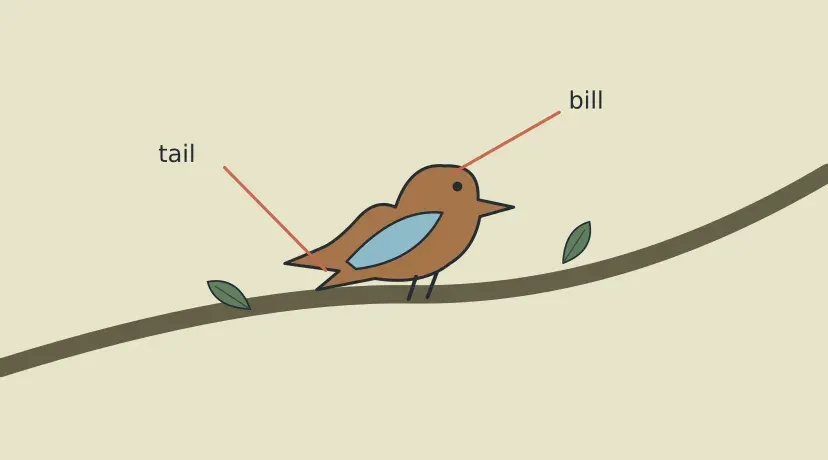
Read the outline
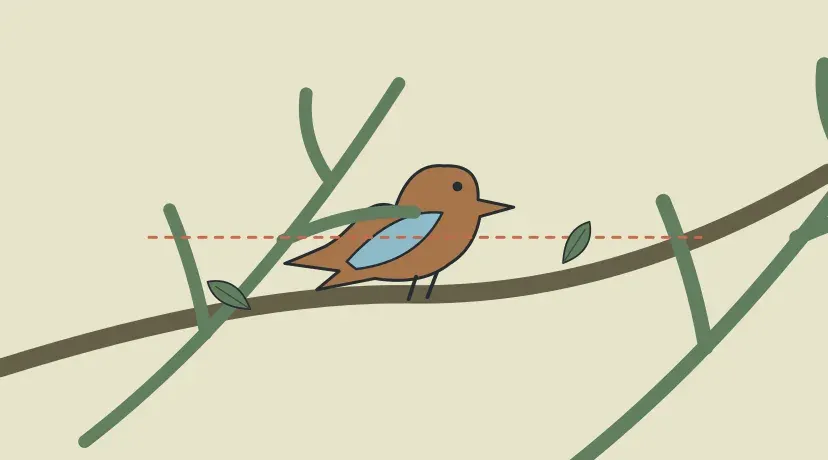
Compare the bill length to the head, then note the tail shape. Write down only the parts you saw clearly.
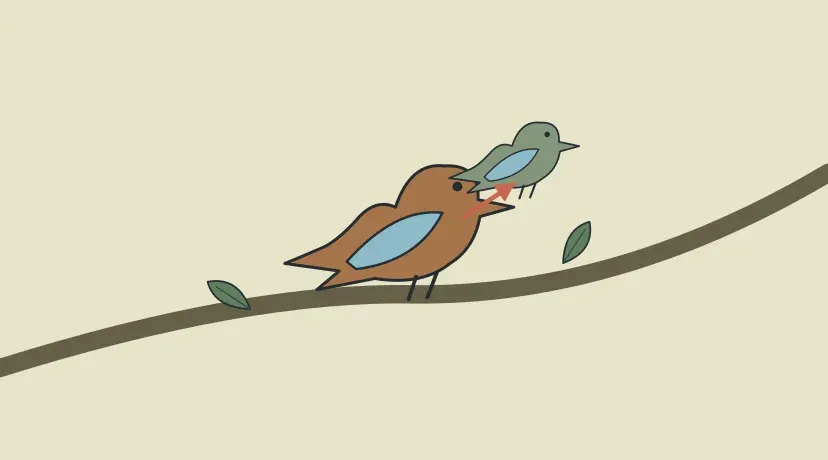
Follow one behaviour
Watch from the path. Record whether the bird probes bark, picks at leaves or waits on an exposed perch.
Place it in the habitat
Mark ground, shrub, trunk or canopy, plus a simple size comparison with a bird you know.
Shop this solution
Shopping region · KR
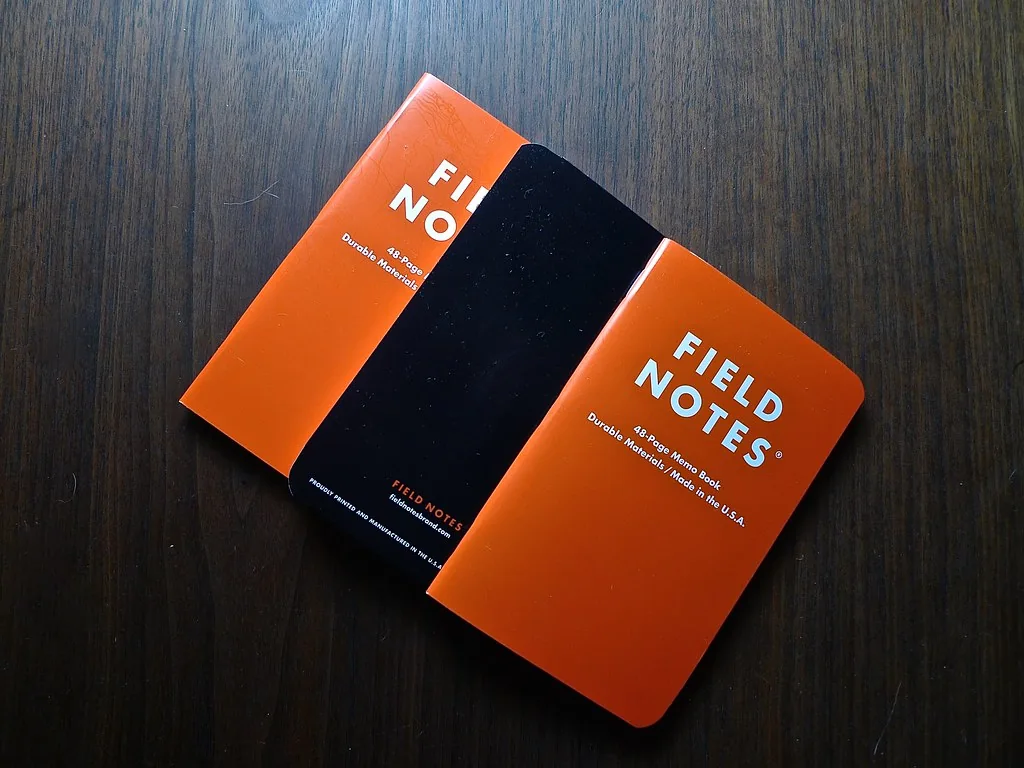
Field Notes cover detail · three-pack not picturedField Notes Expedition waterproof pocket notebooks, three-pack
Original product · international listings No priced listing in this selection.Use what you have · budget alternatives
A pencil note is enough. A clear outline can be more informative than a distant phone crop.
More about this discovery
Collect independent clues and leave the species open when the view is inconclusive.
A single glance at a bright feather is less useful than several repeatable clues from the same bird.
Editorial sources
Keep solving


From this discovery