Cooking for different tastes
Make a plain base, then put the dressing, herbs or crunchy topping on the table so each person can finish their own bowl.
Solution · Food
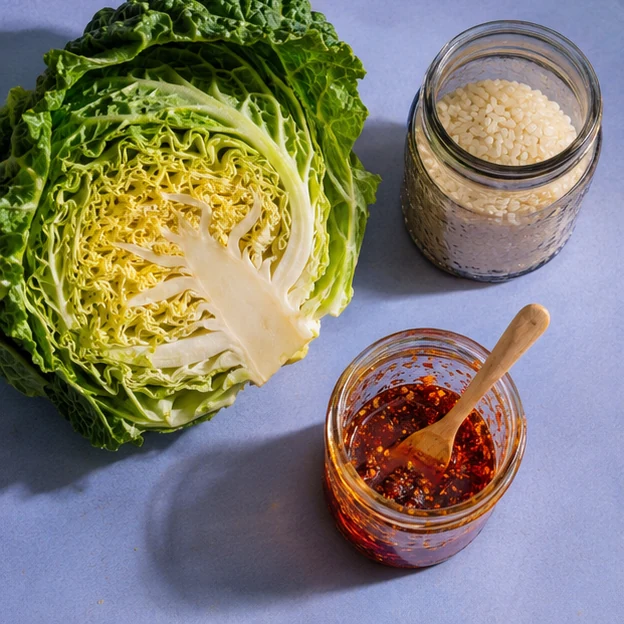
A half cabbage, a bag of rice and an open jar are a better starting point for dinner than a blank seven-day menu.
Start the stepsChoose three ingredients you can still use. Write them at the top of the list so that possible recipes have to earn any extra purchases.
Pick your busiest evening first. For example, cabbage and rice could become a quick pan of fried rice, then a crunchy slaw served with beans another night.
Leave an evening open for changed plans, or freeze a portion you won’t use soon. Date anything you put away and follow local guidance for storing and reheating it.
Check the resultYou have a short menu for three evenings and a shopping list that leaves out everything already in your fridge or cupboard.
Make a plain base, then put the dressing, herbs or crunchy topping on the table so each person can finish their own bowl.
Choose one dinner that travels well. Pack the crisp topping separately and combine it when you’re ready to eat.
Choose one ingredient you want to use up. Pair it with a familiar base and decide whether it belongs on toast, in a bowl or in a wrap.
Build a three-part dinner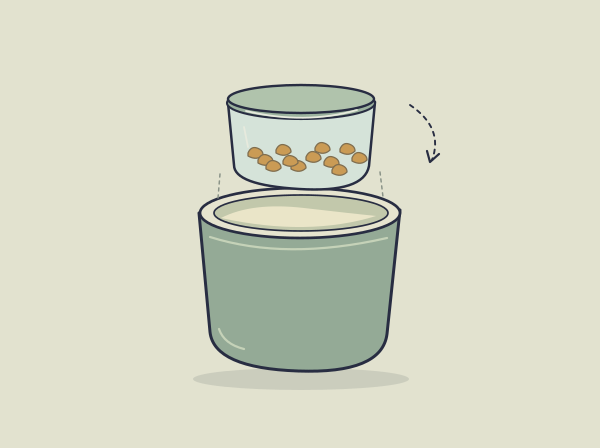 Product diagram
 Explanatory diagram
Shop the cupboard Cross out ingredients you already have before you leave. Buy one missing ingredient that helps with two meals.
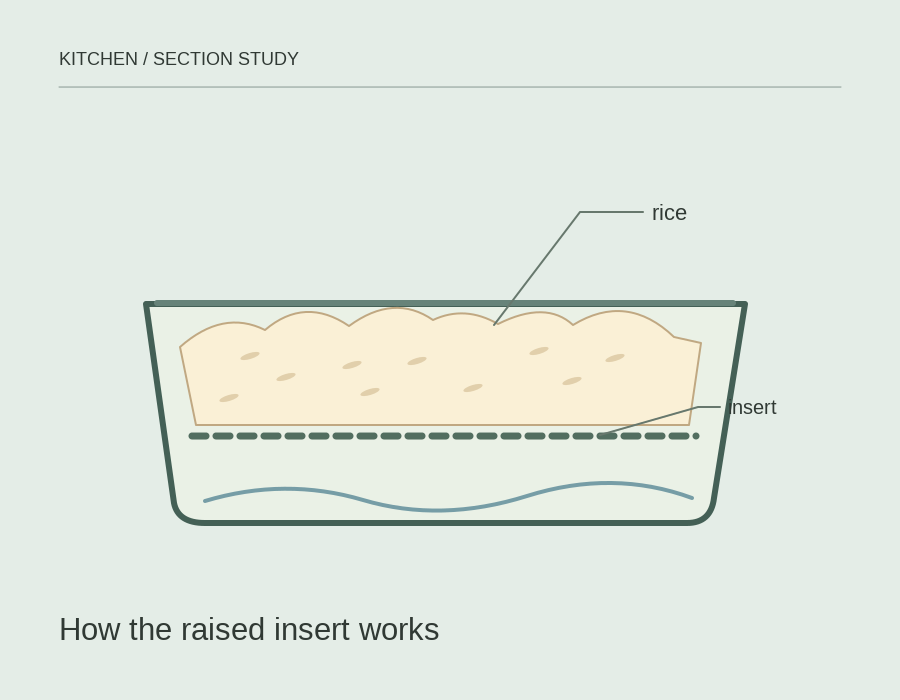
Spend on the recurring snag If a packed lunch repeatedly leaks or goes soggy, compare a container with separate compartments against the jars you already own.
Write down one vegetable you want to use, one filling staple, and one sauce you already like. Choose two different ways to eat that combination before adding anything to the shopping list.
From this discovery