


 Foldscope in use · kit contents differ

Practical guide · Nature & wildlife
Make a useful beetle observation without catching it
A sharp outline and its setting are more useful than a guess at a species name.
See the toolsTools for this guide
Shopping region
Foldscope in use · kit contents differEstimate this combination
Uses dated prices in one market and currency. Shipping and taxes can change the total.Step by step · 3
What to gather
- phone or pencil
- notebook
- accessible viewpoint
Note the date, general location and what surface the beetle was on. Keep any sensitive location private when sharing.
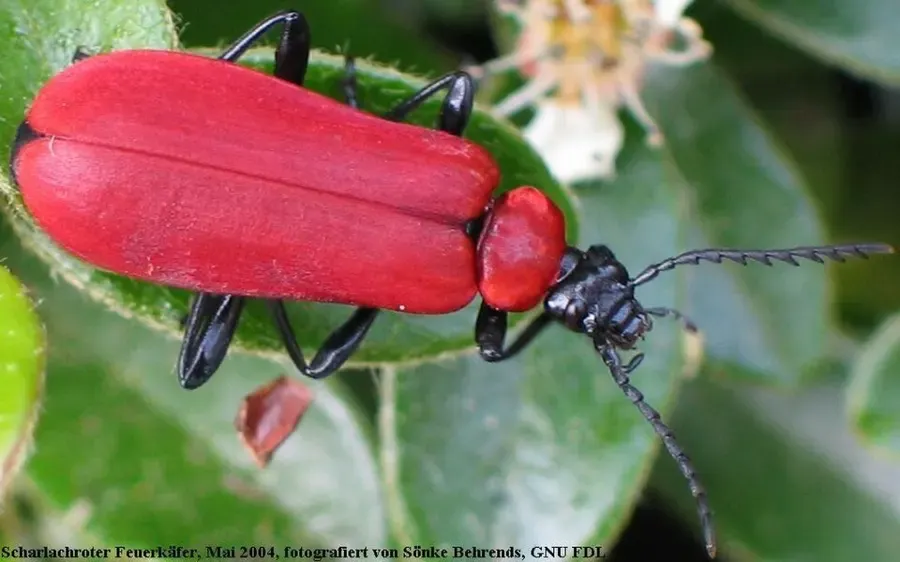
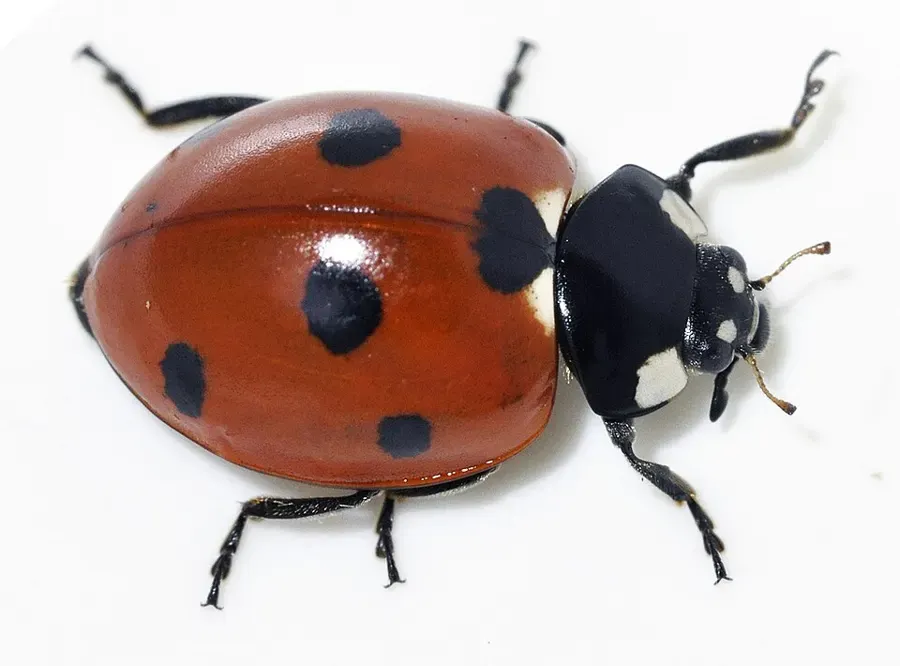
Photograph or sketch the back and side from where you can see them. Let the beetle move naturally and avoid turning it over.
Describe the body outline, markings and behaviour. Record a broad identification if finer detail is inconclusive.
Use what you have · budget alternatives
Your eyes and a dated sketch are enough. Skip a closer photograph if the animal moves off.
More about this discovery
A useful observation can record the living animal in place even when its identity stays uncertain.
Colour alone can vary within a species or appear different under strong light.
Editorial sources
From this discovery