Follow one flower type
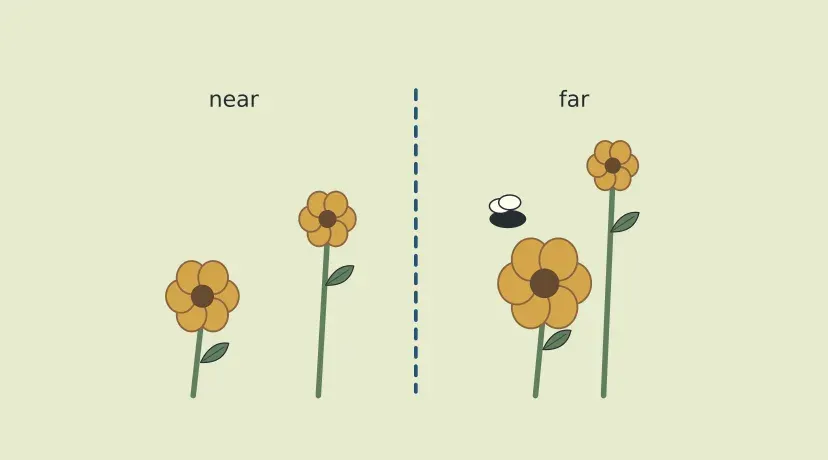
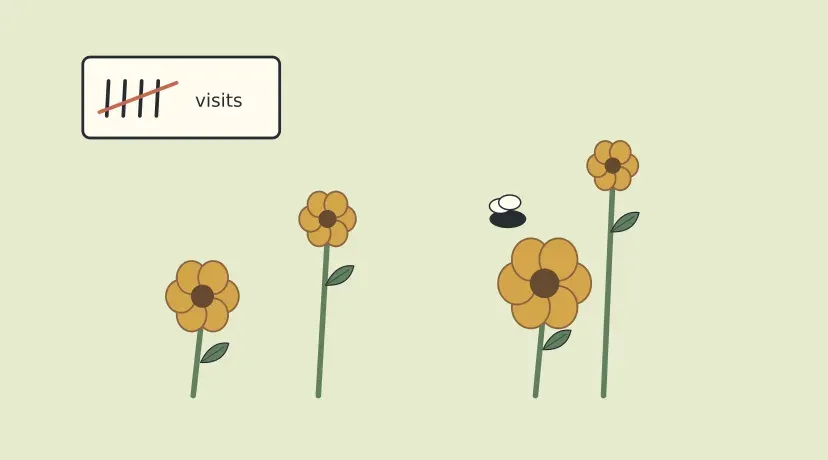
Choose one kind of flower within a visible patch and count landings on those flowers only.
Solution · Nature & wildlife
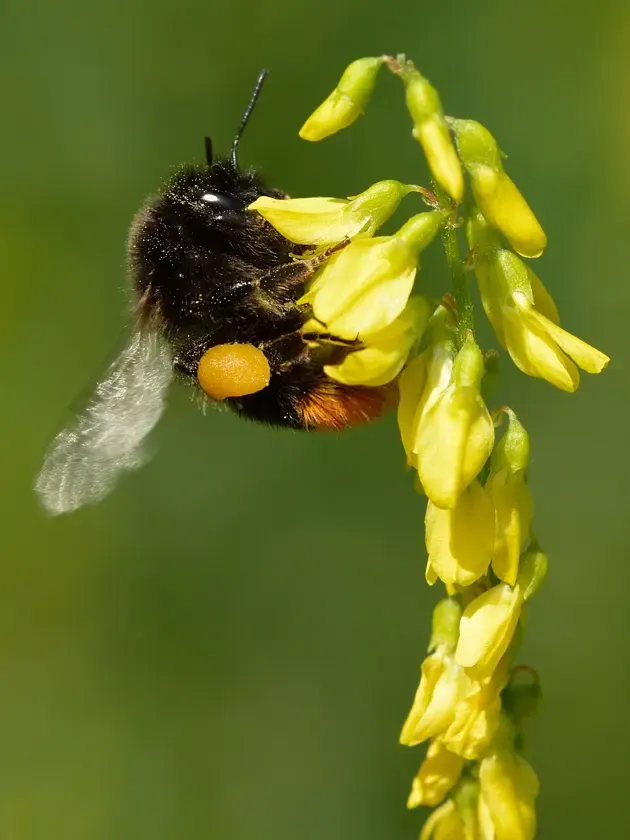
An insect flying through the frame is a different observation from one landing on the flowers you chose.
See the approachesChoose one kind of flower within a visible patch and count landings on those flowers only.
Sketch a near and far half. Mark where each arrival landed so two observers can discuss uncertain visits.
Agree a short interval and restart the clock for the next round. Record an unknown insect in its own column.
For a personal project decide whether you are logging landings or individuals. The two totals can differ.
If submitting to a recording scheme, follow its patch size, duration and counting instructions exactly.
Describe it as visits to the observed patch during the chosen interval. One quiet round says little about the whole garden.
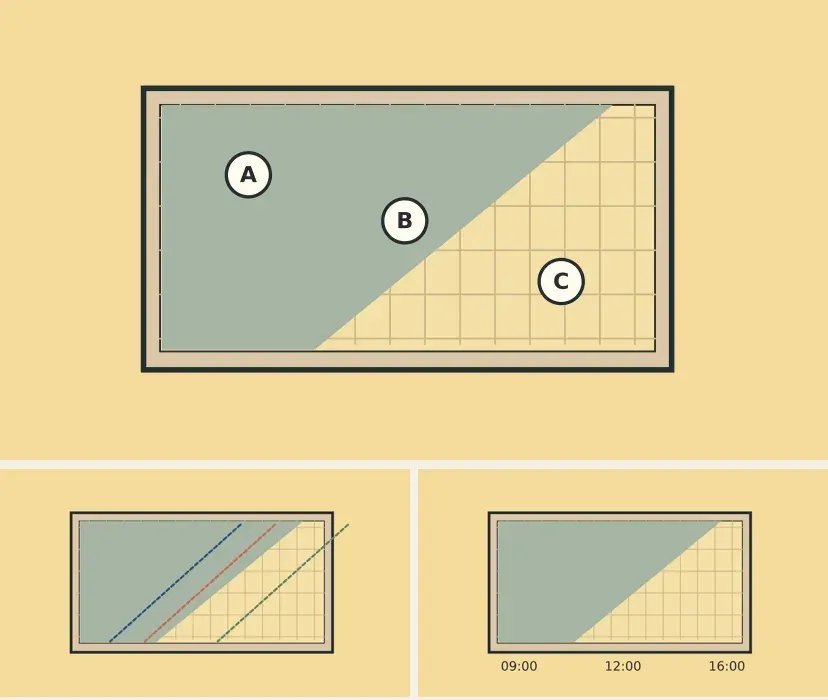
Draw a square patch on paper and record visits from a comfortable spot without equipment.
Pick a boundary and a counting rule before the first visitor arrives.
Changing the flowers or the rule halfway through makes two short counts difficult to compare.
From this discovery